
In El Salvador and Guatemala, along with filmmaker Tom Laffay, we followed the sugarcane harvest into one of the most dangerous places for heat on earth—and found both what it costs to do nothing, and what it means to finally do something right.
The Zafra
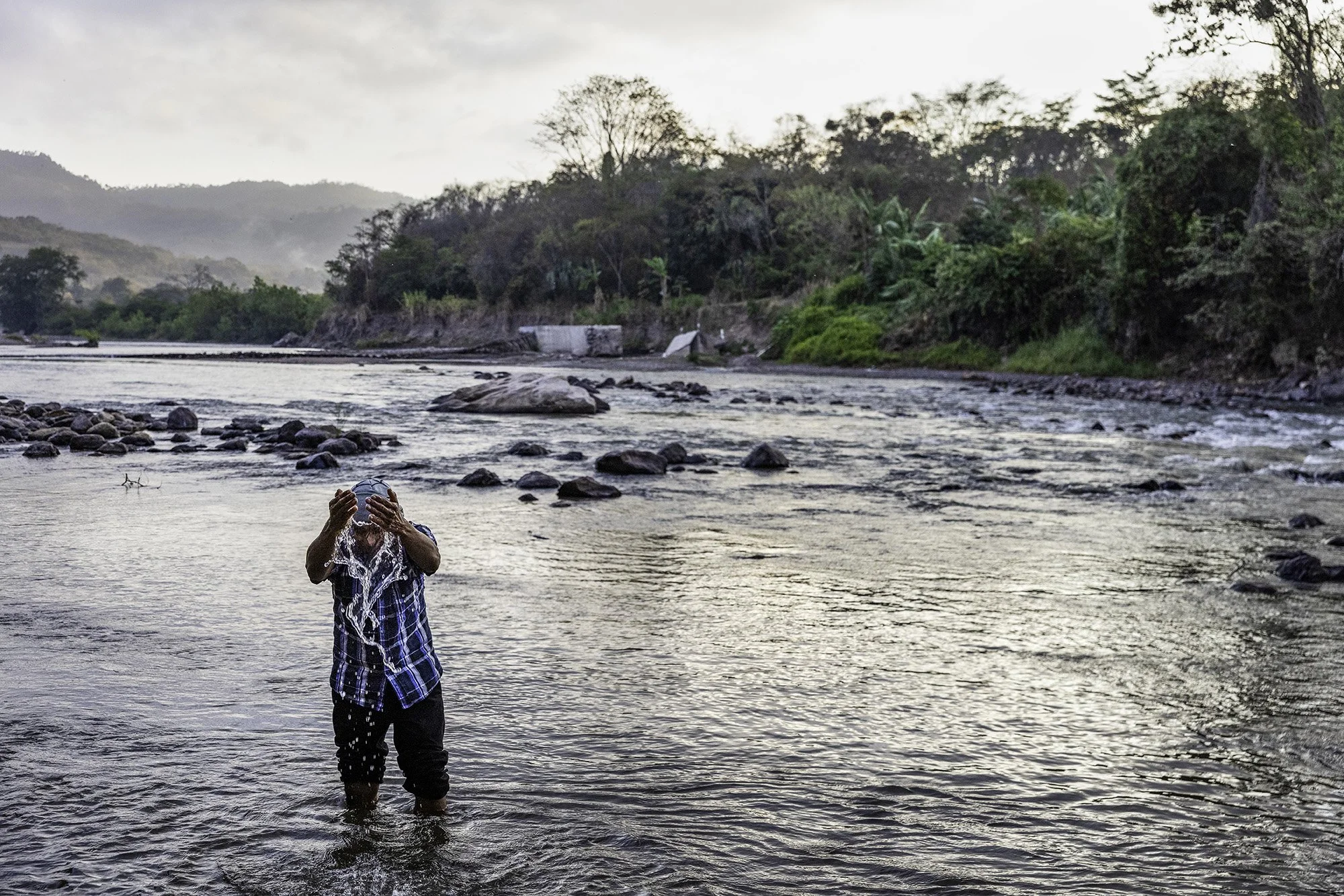
It is hot here. We’ve come during the hottest time of the year to this volcanic, mountainous, and breathtaking part of Latin America. We arrived during the zafra—the annual sugarcane harvest—to bear witness to something that doesn’t make international headlines but kills quietly, season after season.
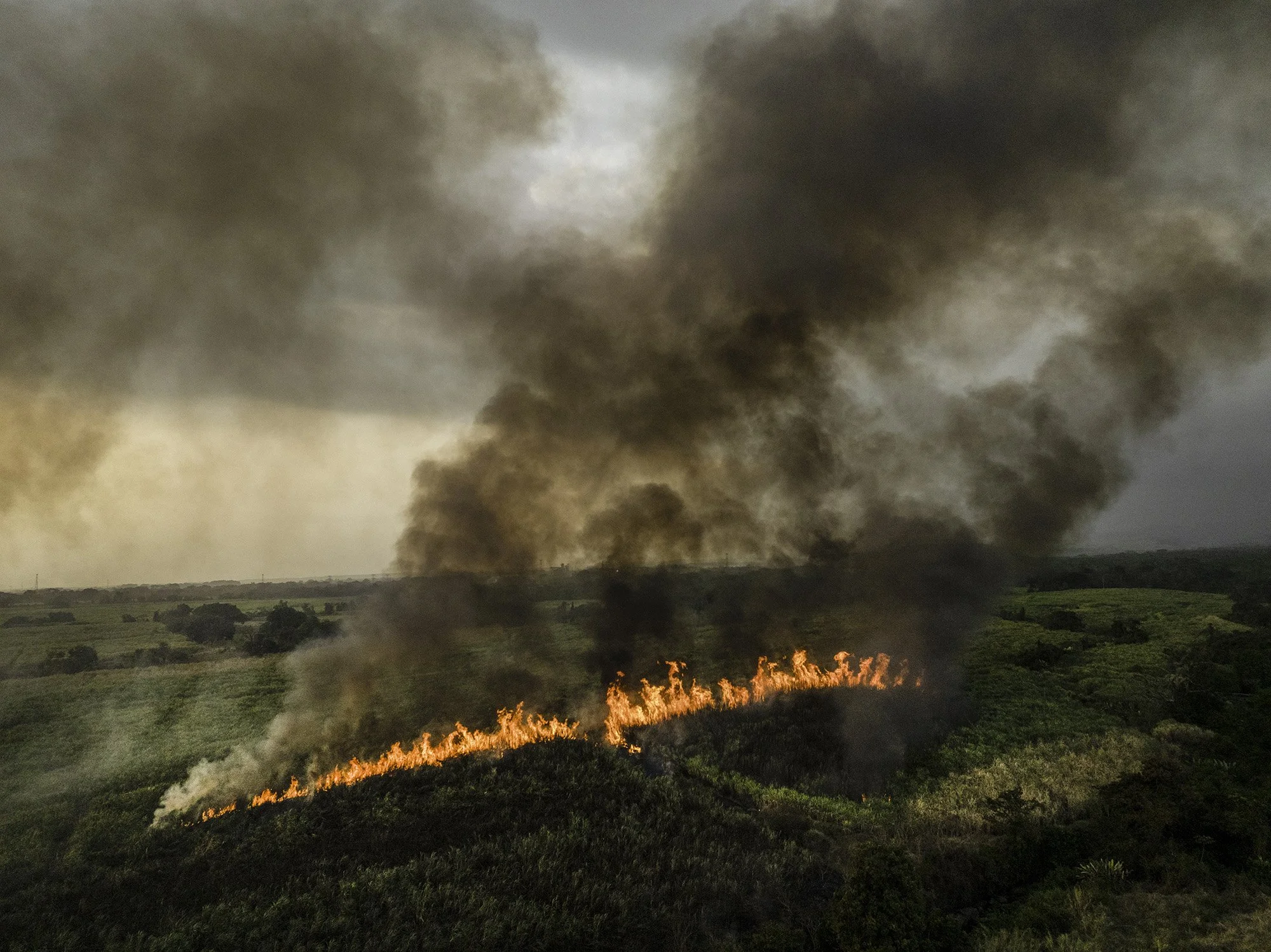
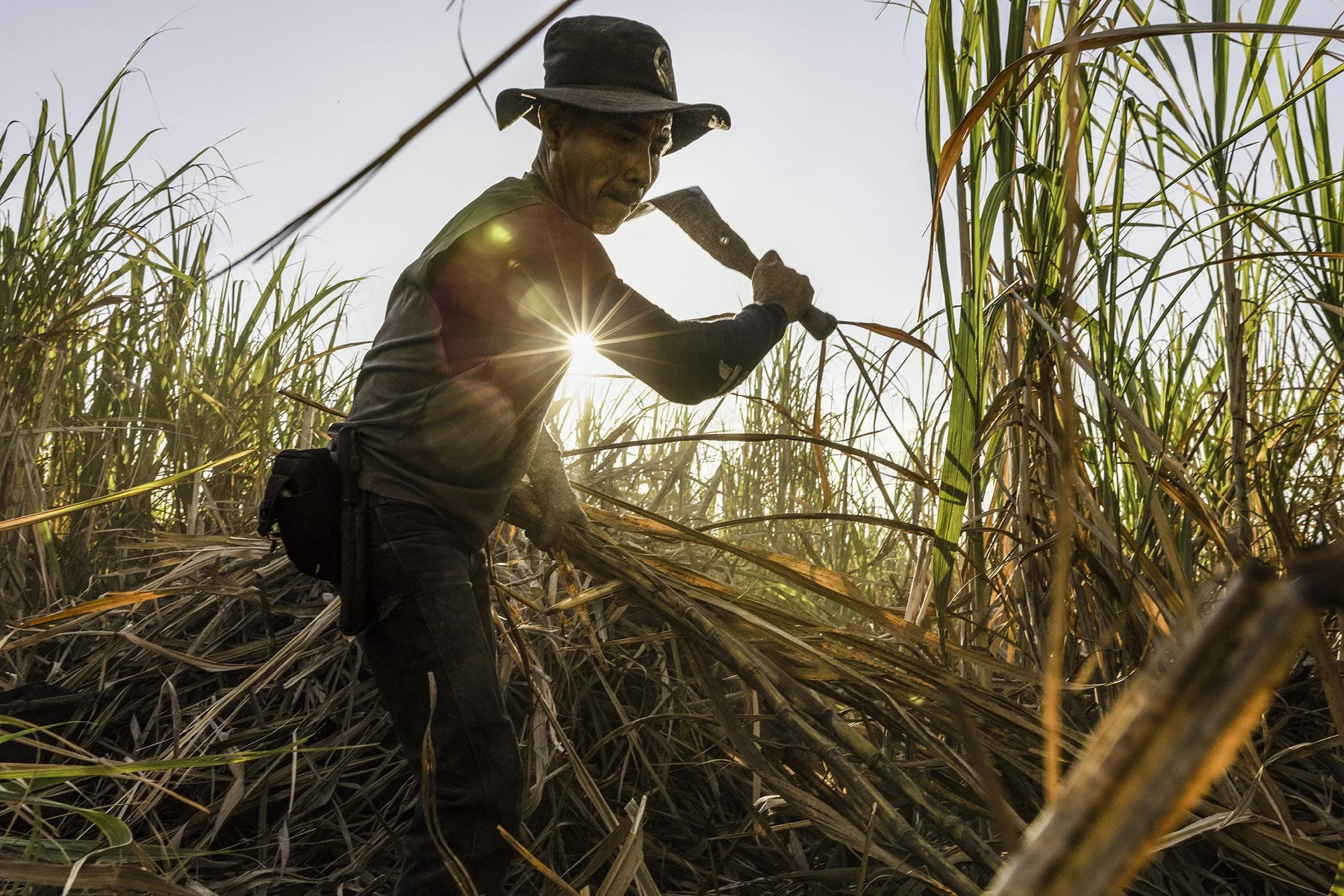
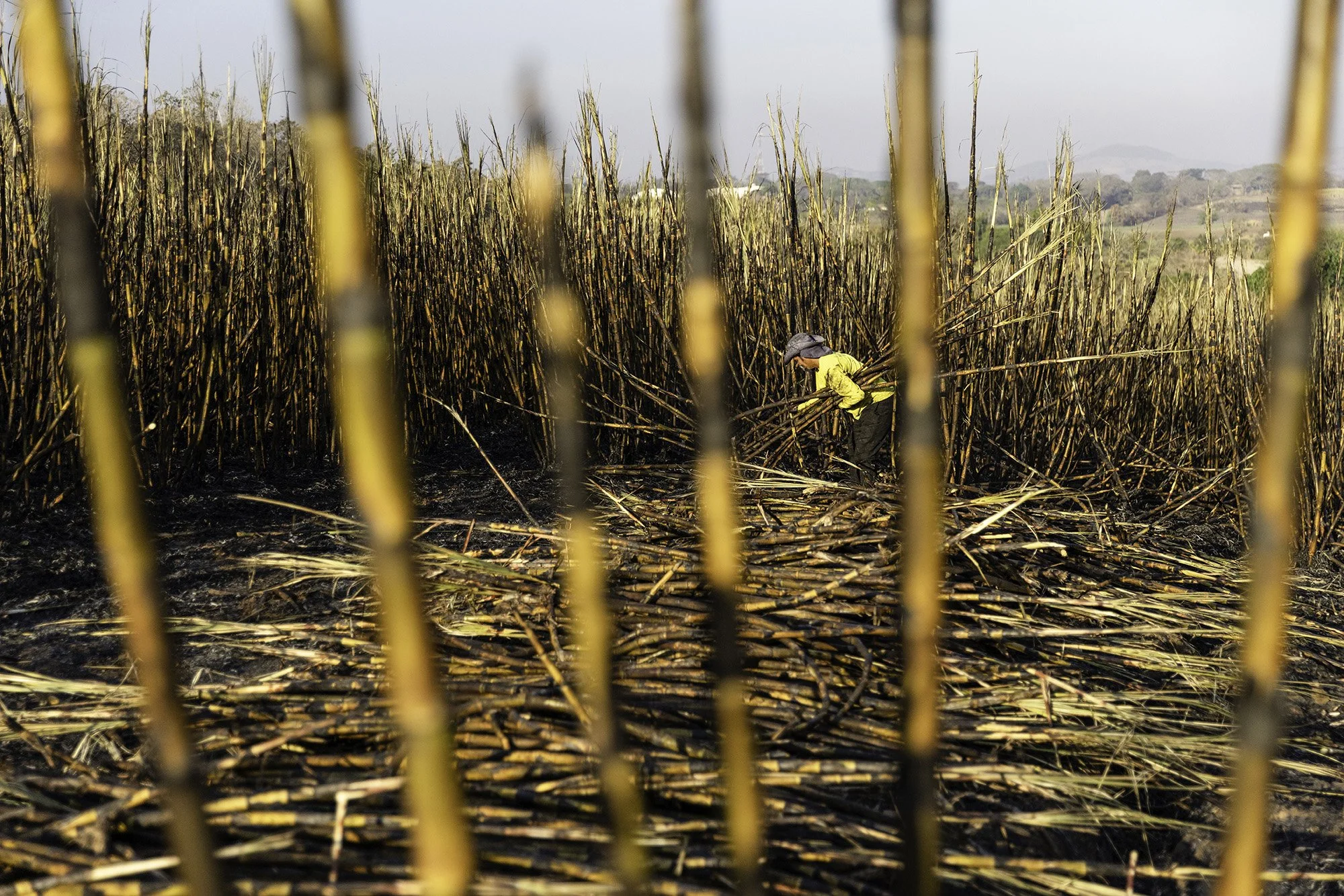
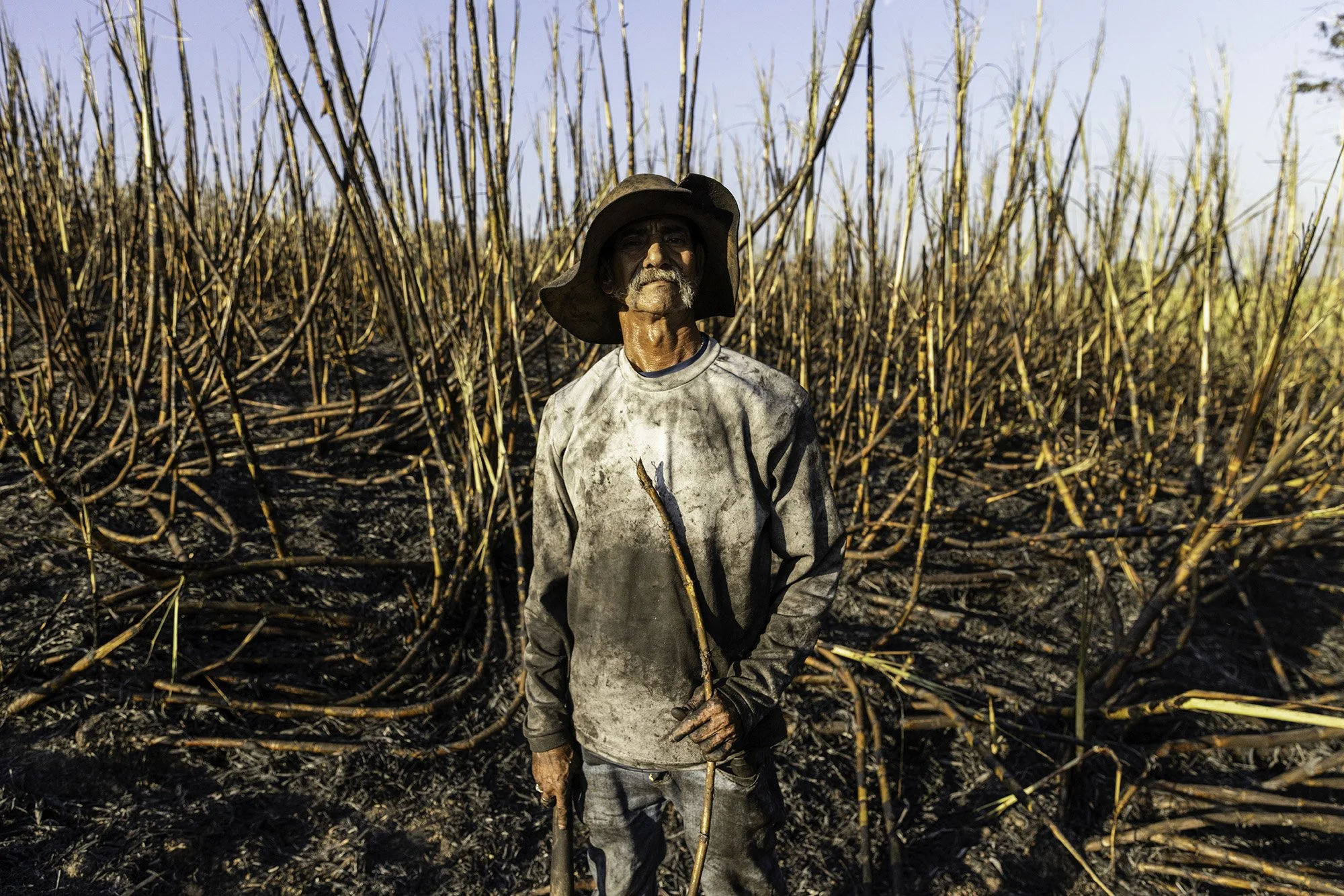
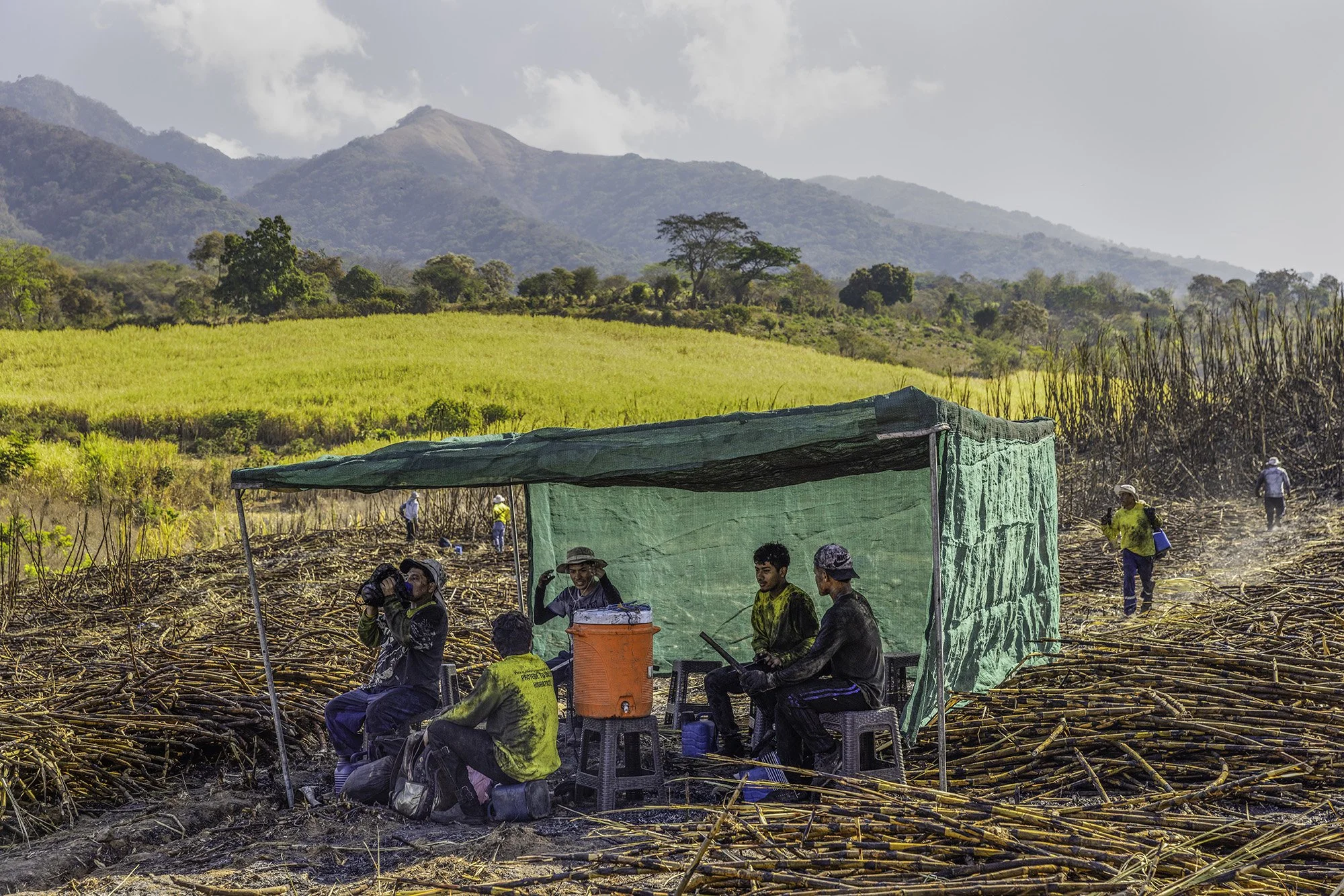
The smell of sweet and soot fills the humid air. As golden and green cane fields in Guatemala’s coastal lowlands and along the rough, hilly terrain of El Salvador’s coast, epic fires crackle as the last stalks burn and the sun sets beyond the mountains. An army of men and a few women march into the fields with razor-sharp pailas, their machetes catching the last bits of light. As the sun rises the next day along with the heat, over the next eight hours, each of them will cut an average of twelve tons of burnt cane. I watch them disappear into the smoke and I think: this is one of the hardest jobs on earth, and almost no one outside these communities knows it exists. While we consumers benefit from the cheap cost of sugar, these men and women suffer from heat exhaustion, kidney disease, a lack of proper pay, dignity or a way out of this tough life.
I came to Central America to investigate what happens to the human body when it works like this, in this heat, without protection—and what happens when it finally gets some. I made this trip with my longtime collaborator, the filmmaker Tom Laffay, whose eye for the human detail in all of this has shaped how I see it too.
Guatemala: Fields Without Shade
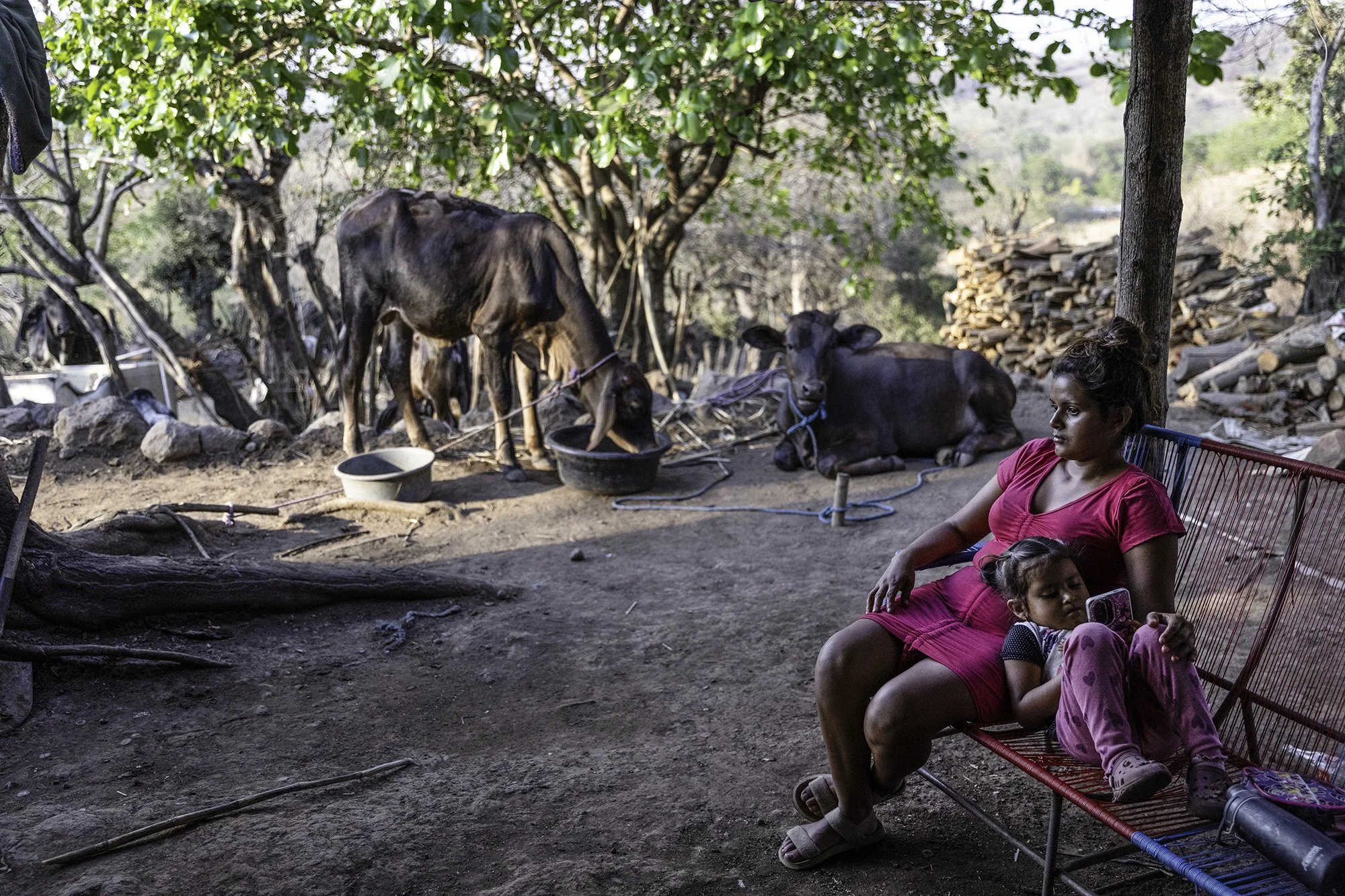
Tom and I traveled first into Guatemala—from the Mayan highlands of Tecpán, where we met this beautiful young couple who own and operate their own coffee company, down to the flat coastal cane lands of Escuintla. In the highlands, farmers spoke about something we would hear repeatedly on this trip: the young are leaving. Climate change is squeezing the agricultural calendar. Harvests are less predictable. Youth who once might have stayed to tend family plots are migrating north or drifting into industrial agriculture on the coast, where the work is brutal, but the wages are marginally steadier.
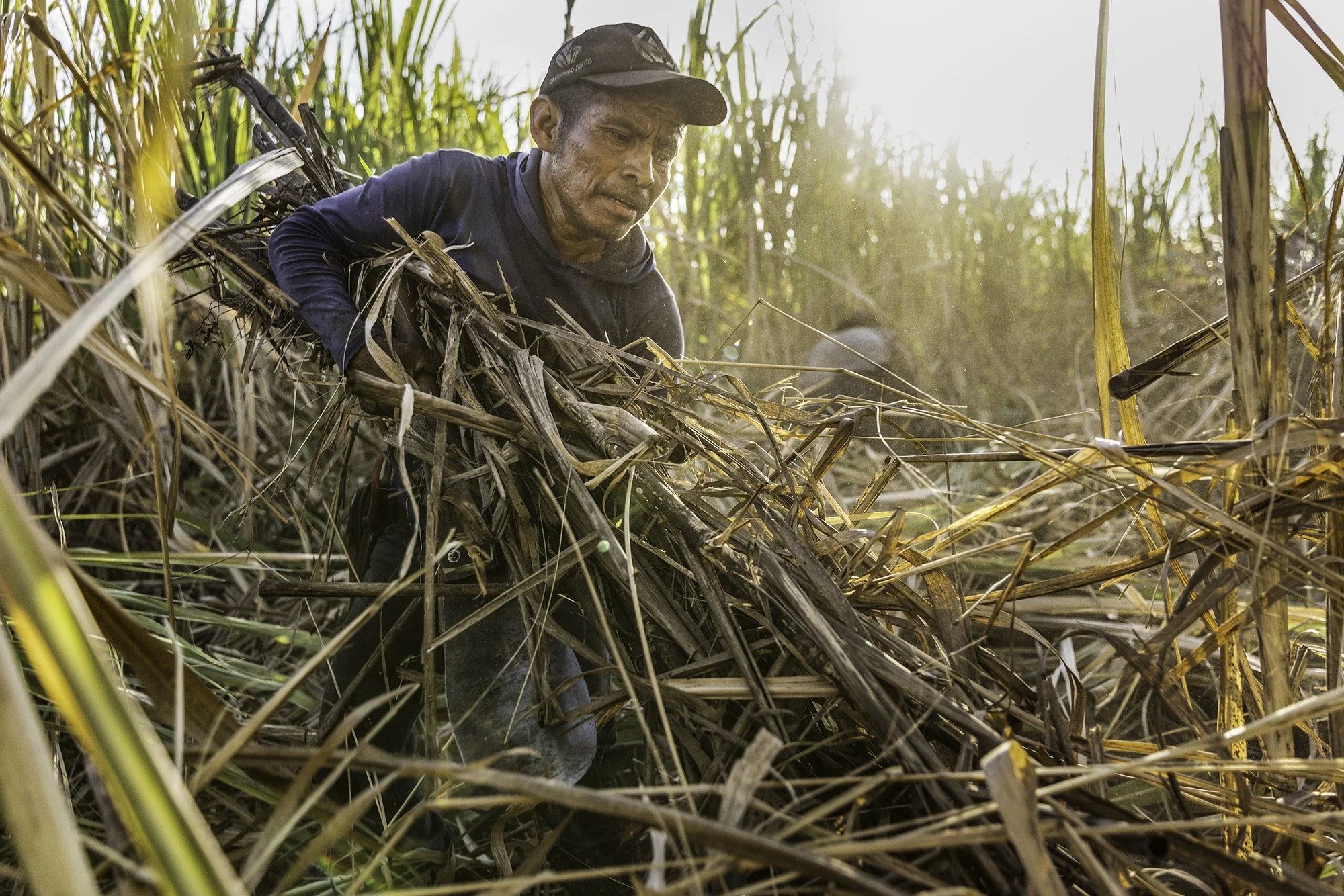
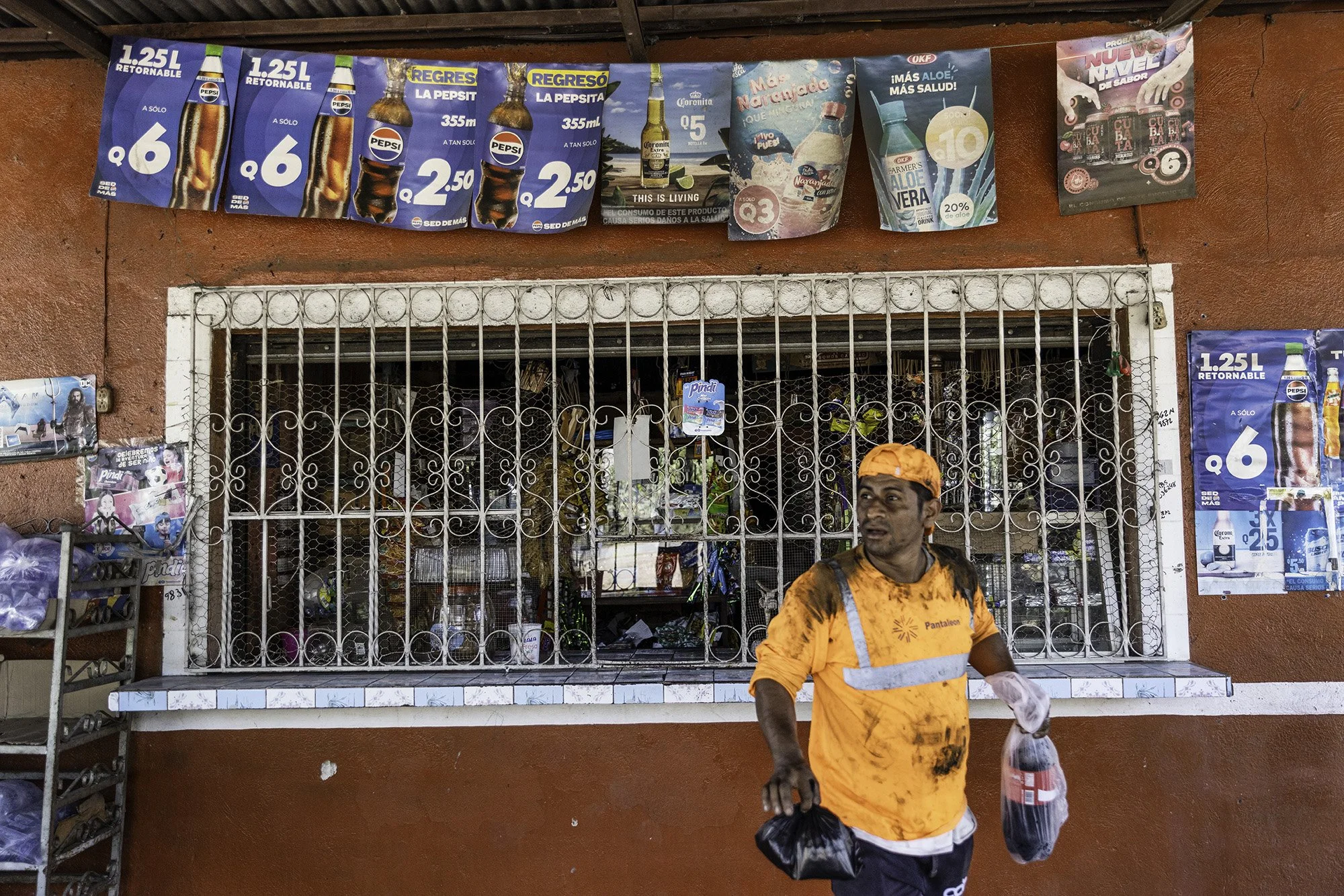
Down on the Escuintla lowlands, we moved through cane fields with no shade structures, no organized rest breaks, where mainly Mayan internal migrant workers were carrying their own water, if they brought any at all. A man discharged from the company for having exceedingly high levels of creatinine in his blood test (an indicator of kidney disease or decreased kidney function) was now ironically selling sodas to workers in the fields, for the same company (exacerbating dehydration/stress on the kidneys--andor a poor substitute for water for rehydration). I photographed them—the exhaustion etched into their postures by mid-morning, the way some of them moved with a kind of grim mechanical momentum, as if stopping meant not starting again. This is what the absence of a workplace protection program looks like in practice. It doesn’t look like a scandal. It looks ordinary. It looks like any day during the zafra.
The illness that shadows these workers—CKDnT, chronic kidney disease of non-traditional causes—is not caused by the usual culprits: diabetes, hypertension, age. It is caused, researchers now believe, by repeated cycles of dehydration, heavy work loads and heat stress that slowly, silently destroy kidney function. Men in their twenties and thirties, gone within a few years of diagnosis. The link to agricultural labor in tropical heat is clear in the data. It is not yet clear enough, apparently, for the industry to act without being pushed. Tom and I, in collaboration with Jason Glaser and Ilana Weiss, have been reporting on this disease for more than 13 years. With Jason leading the charge through his phenomenal work as an activist, epidemiologist and team leader, La Isla Network has scored some critical victories, including improving the labor practices in Nicaragua and El Salvador, but there is still so much more work to be done to protect these strong and dignified men and women.
Blanca Rosa
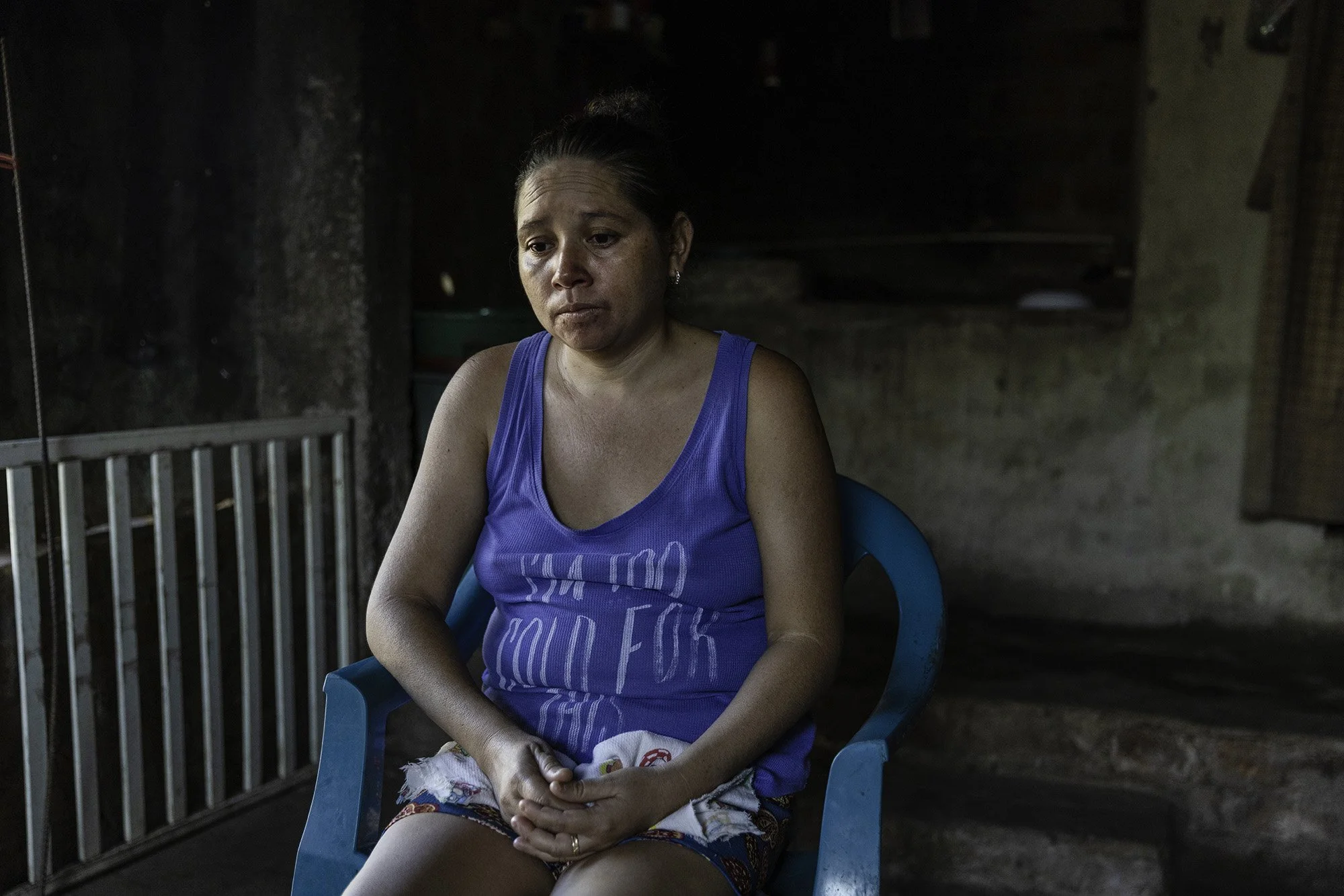
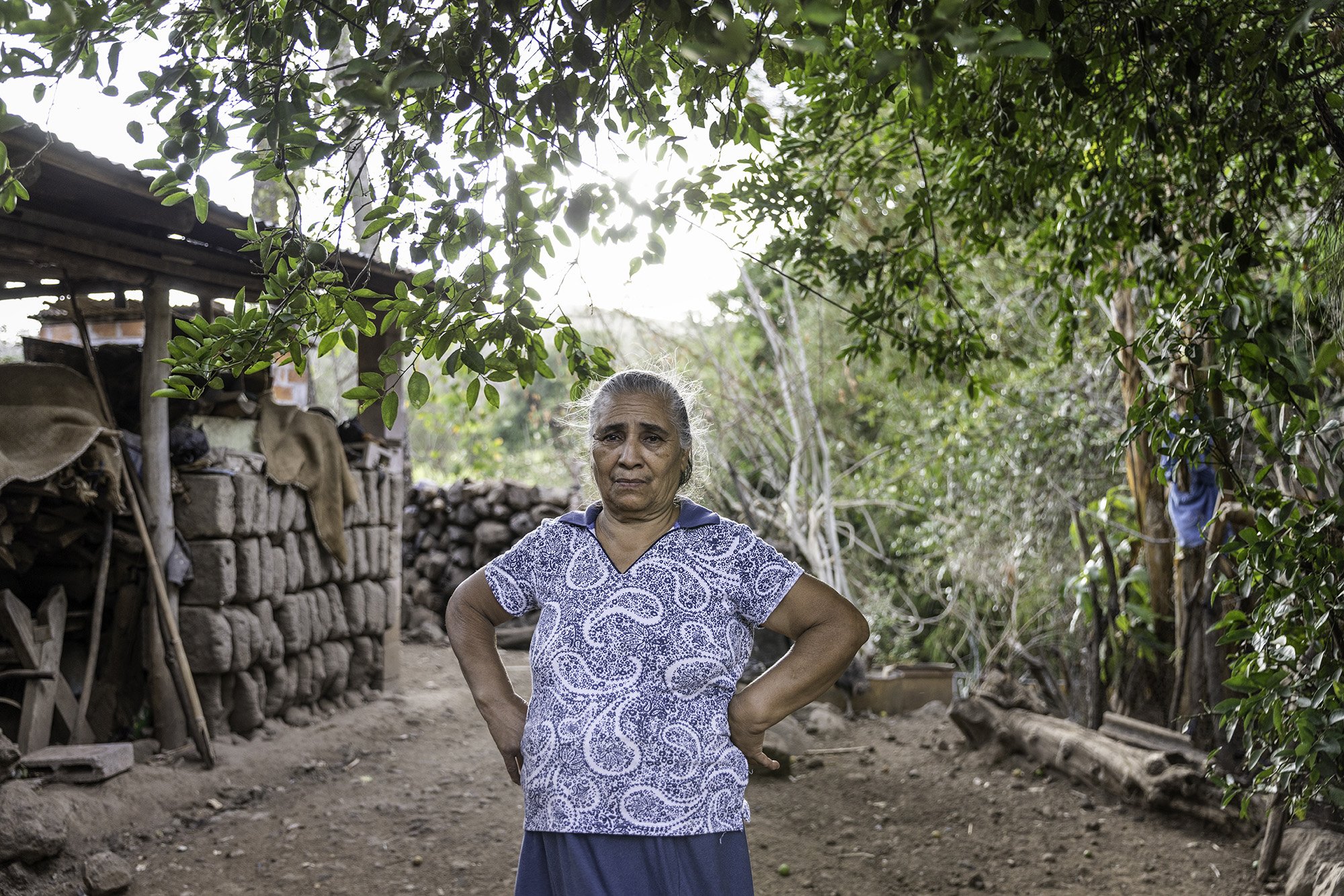
I met Blanca Rosa at her church, Iglesia Cristiana Josué, in Cantón Colima, El Salvador. She is thirty-five years old. Three months ago, she lost her son.
His name was César Omar Flores Fuentes. He was twenty years old.
César died of CKDnT. He had worked in heavy, outdoor labor - roofing and agriculture - from the age of 12, ending in the cane fields as a sugarcane cutter last year. She told us about him in the way that mothers do when grief is still raw and the words are both necessary and insufficient—carefully, with long pauses, her hands folded in her lap, convulsive tears flowing down her cheeks. She said she wants people to know his name. I photographed her inside the simple home, in the slant of light through the windows. She sat very still.
César is not a statistic, though he will become one in a database somewhere, another data point confirming what researchers have spent more than a decade trying to prove. He was a young man who went to work in a field and came home, eventually, too sick to survive. His mother is thirty-five. She will carry this for the rest of her life.
Standing in that church, I kept thinking about what it would take—what it actually takes—for a company, an industry, a government to say: we will not let this happen. We will provide shade. We will mandate rest breaks. We will make sure there is water. The interventions are not complicated. They are not expensive, not at the scale of what sugar generates. The will to implement them is what’s scarce.
What Protection Looks Like
A few days later, I was in a different kind of cane field.
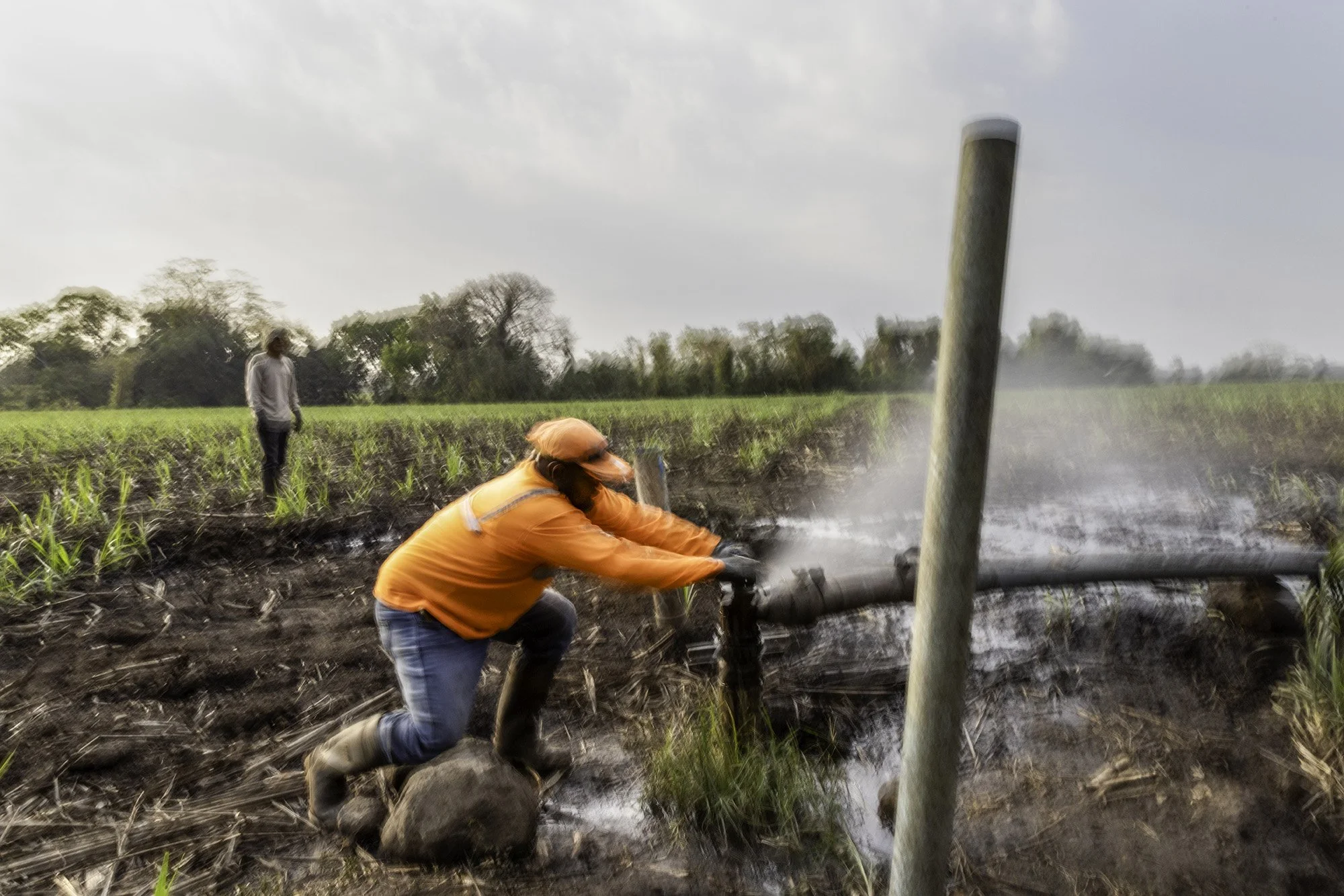
At Ingenio El Ángel’s operation near Apopa—a city that a decade ago was nicknamed Apopastan for the grip MS-13 held over it, now pacified under President Bukele’s iron-fisted security crackdown—I spent time with a crew of cane cutters working under a program called PREP: a structured workplace intervention built around what researchers call RSHH: rest, shade, hydration, and hygiene. Mandatory breaks, water stations in the fields, shade structures, medical monitoring.
The difference was not subtle. These workers were not just alive—they were visibly, palpably different from what I’d seen in Guatemala and in the unprotected fields earlier in the week. They laughed. They talked during breaks. One man told me he’d worked in fields without the program and described the old routine as “just surviving the day.” Under PREP, he said, he could actually think about tomorrow.
The science backs up what I was seeing. Kidney function markers among workers in the PREP program have improved. Heat-related illness rates are down. The intervention works. It is proven. It is replicable. It is not happening everywhere, and that is the whole problem.
What Got Cut, and What Remains
La Isla Network—named after a small community in western Nicaragua where over seventy percent of the men have died of chronic kidney disease—is the nonprofit that built the PREP model and spent the better part of a decade embedding it in the sugar sector in Central America. Their work is the reason those cane cutters I photographed near Apopa are healthier today. It is the reason there is any data at all on this epidemic.
DOGE budget cuts eliminated their hard earned U.S. government funding. A decade of collective work—the research, the relationships, the hard-won compliance mechanisms—was defunded in a stroke. What replaced it were philanthropic grants, including generous support from the Rockefeller Foundation, that will provide both the resources and, crucially, the leverage to drive systemic change. What was once a program with the potential for legally binding, long-term, sector-wide impact has been reduced, by the DOGE cuts, but with the increased support by the Rockefeller Foundation, the future is looking a bit brighter towards implementing a proven solution to the issue of heat stress and kidney disease in the workplace.
Meanwhile, major U.S. and European companies are increasingly approaching La Isla for heat stress solutions—corporations in sectors beyond sugar, with resources and supply chain leverage that the foundation world can’t match. This creates a genuine quandary: do you follow the money and the potential for scale into new sectors, or do you stay with the workers in the sugarcane fields, the people who are still dying, the community where this work began?
I don’t have a clean answer to that. I’m not sure there is one. What I know is what I saw: Blanca Rosa’s hands in her lap. César Omar’s name. Workers in the shade laughing at a joke I couldn’t hear. The fields burning at dusk. These things are happening at the same time, in the same small countries, and whether they continue to happen—the dying and the protecting both—depends entirely on whether people with power decide it matters.
The science is settled. The interventions exist. The question, as it so often is, is political and about greed . When the values and politics shift, someone pays the price. Here, I know who that someone is. I’ve seen her face. I know her son’s name.
— Reporting from El Salvador and Guatemala, with filmmaker Tom Laffay