“AMERICA, AGAIN” | CHAPTER 1: IOWA

Exactly one year before voters go to the polls on November 3, 2020 — and three months before Iowans gather for their caucuses — we at VII Photo are launching the first chapter of our year-long collective election coverage, “America, Again.”


Introduction by VII Emeritus Member Sara Terry

Every election cycle is an opportunity to revisit America, to consider again what defines Americans and what they aspire to, how far Americans have come and how far the country has yet to go in achieving “liberty and justice for all.”

We believe this election cycle, more than any in recent memory, finds America at a critical moment in choosing a path that may define it for generations to come.

And so we launch our coverage today, with the first of seven bi-monthly installments on some of the most important issues facing Americans as they prepare to vote in 2020, including race, the environment, inequity and the wealth gap, and labor and the economy.

Over the course of the year ahead, these issue packages will be supplemented with campaign coverage and reportage about other critical issues, including gender and gun control. In addition, our coverage will include a series of video interviews done by VII photographers outside the United States, bringing perspectives from citizens around the world reflecting on what matters to them in elections that have an impact far beyond America’s borders.

Chapter One, “Iowa,” is a look at some of the national issues that will play a part in the 2020 elections, as seen from Iowa, where voters in the state’s February 3 caucuses will help determine the Democratic front-runners for president. The work was done by VII members Danny Wilcox FrazierEd KashiMaggie SteberSara Terry and VII mentee Nolan Ryan Trowe.

View “America, Again” | Chapter 1: IOWA here.


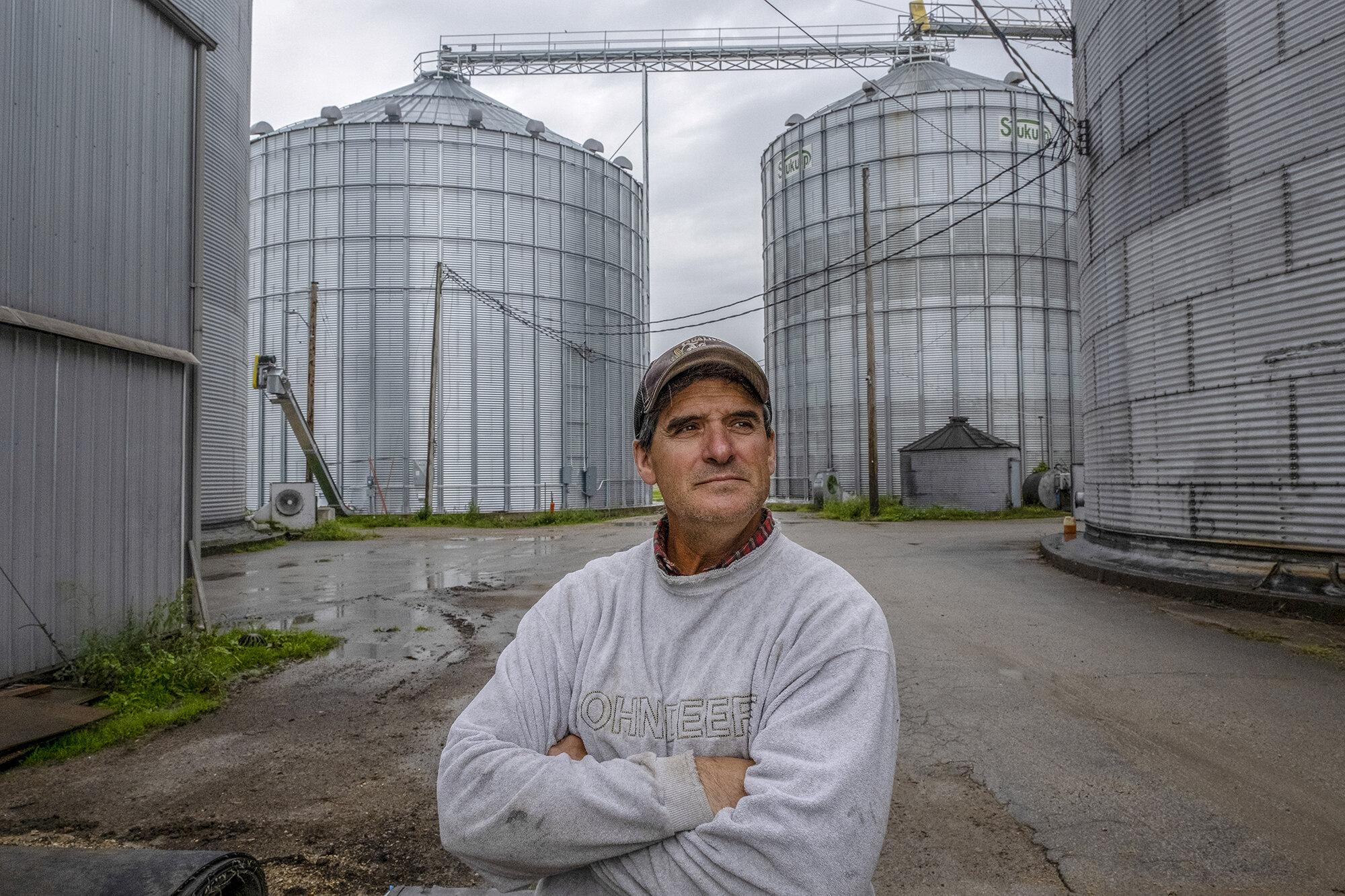
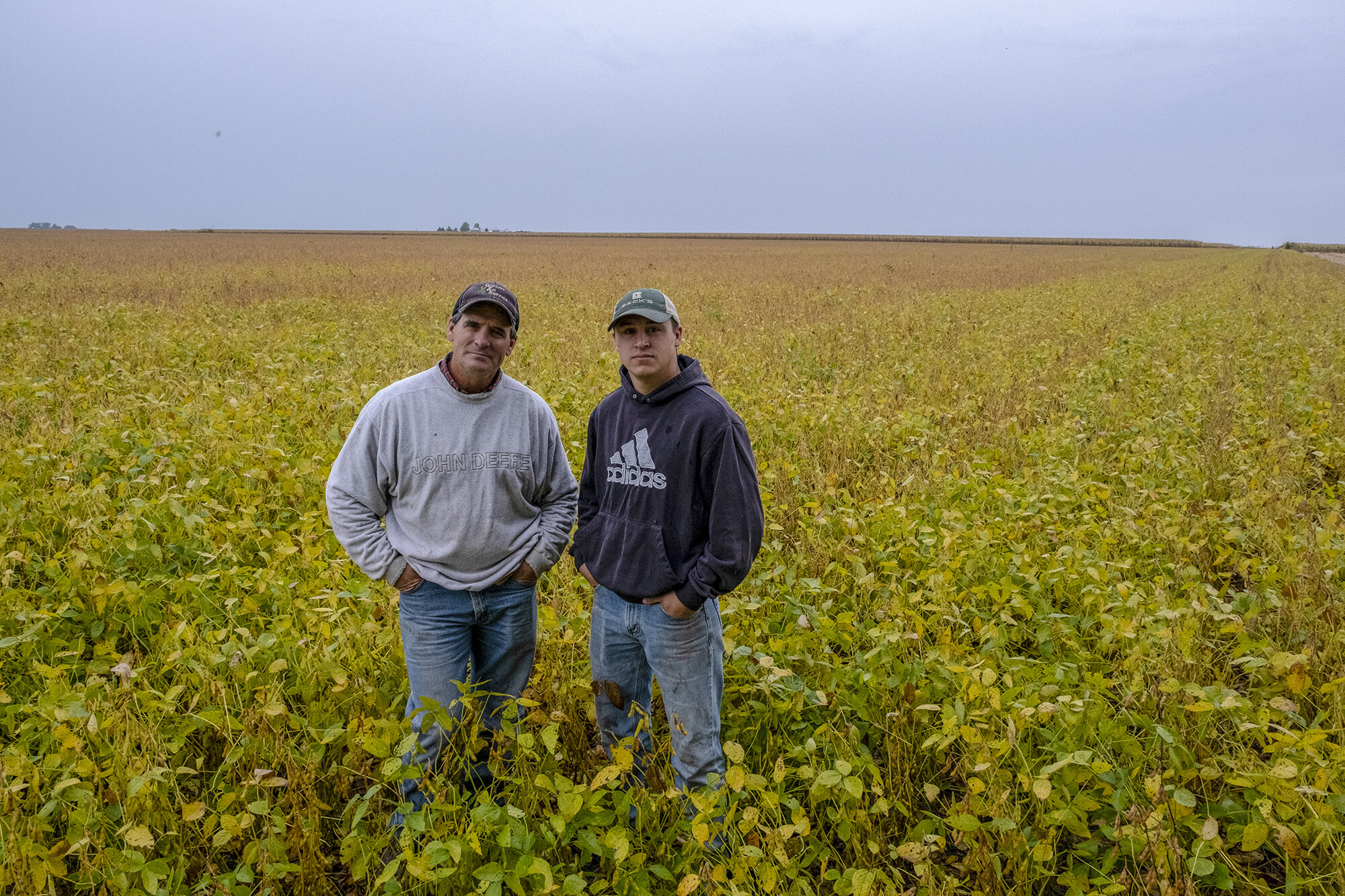
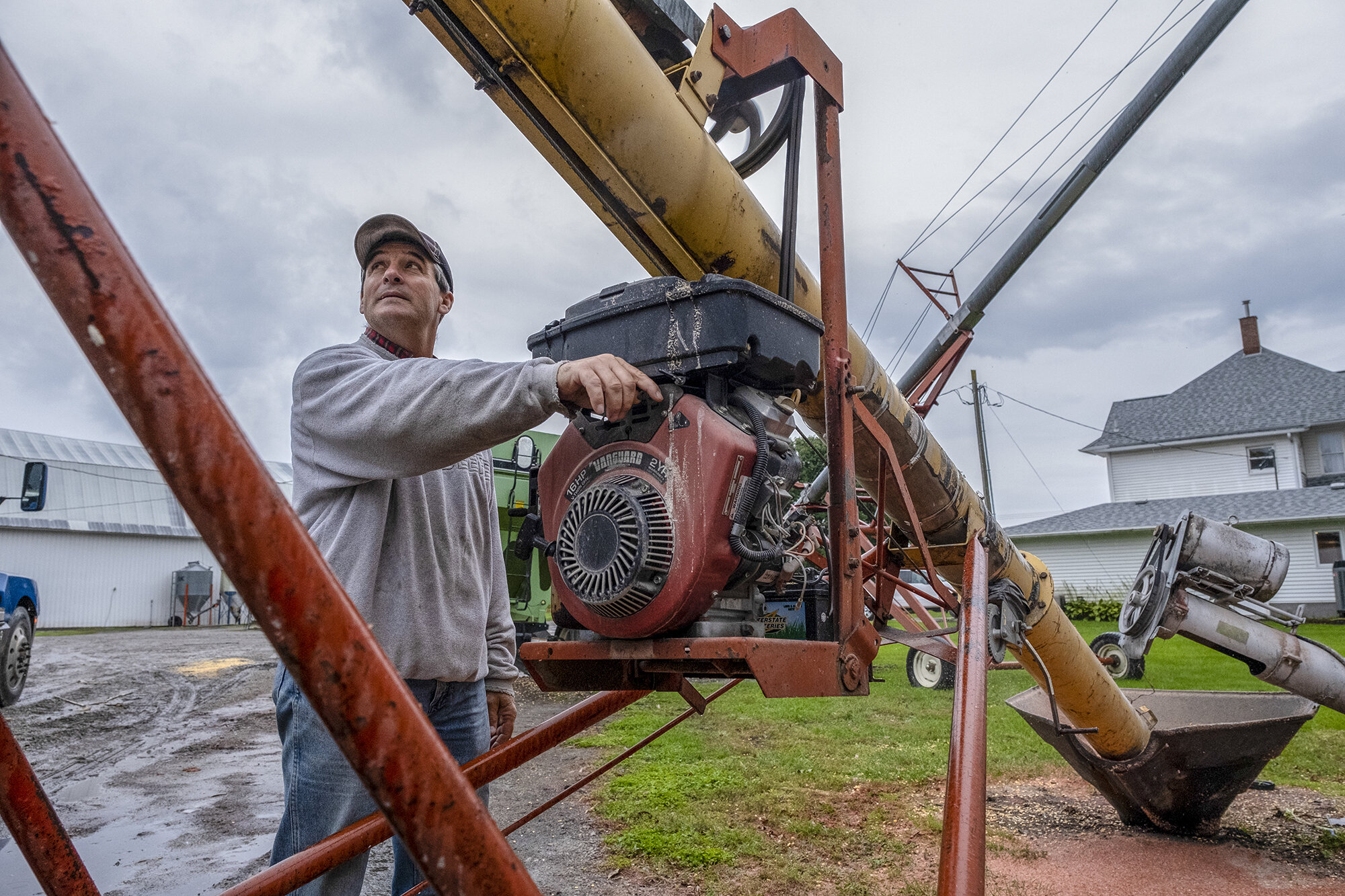
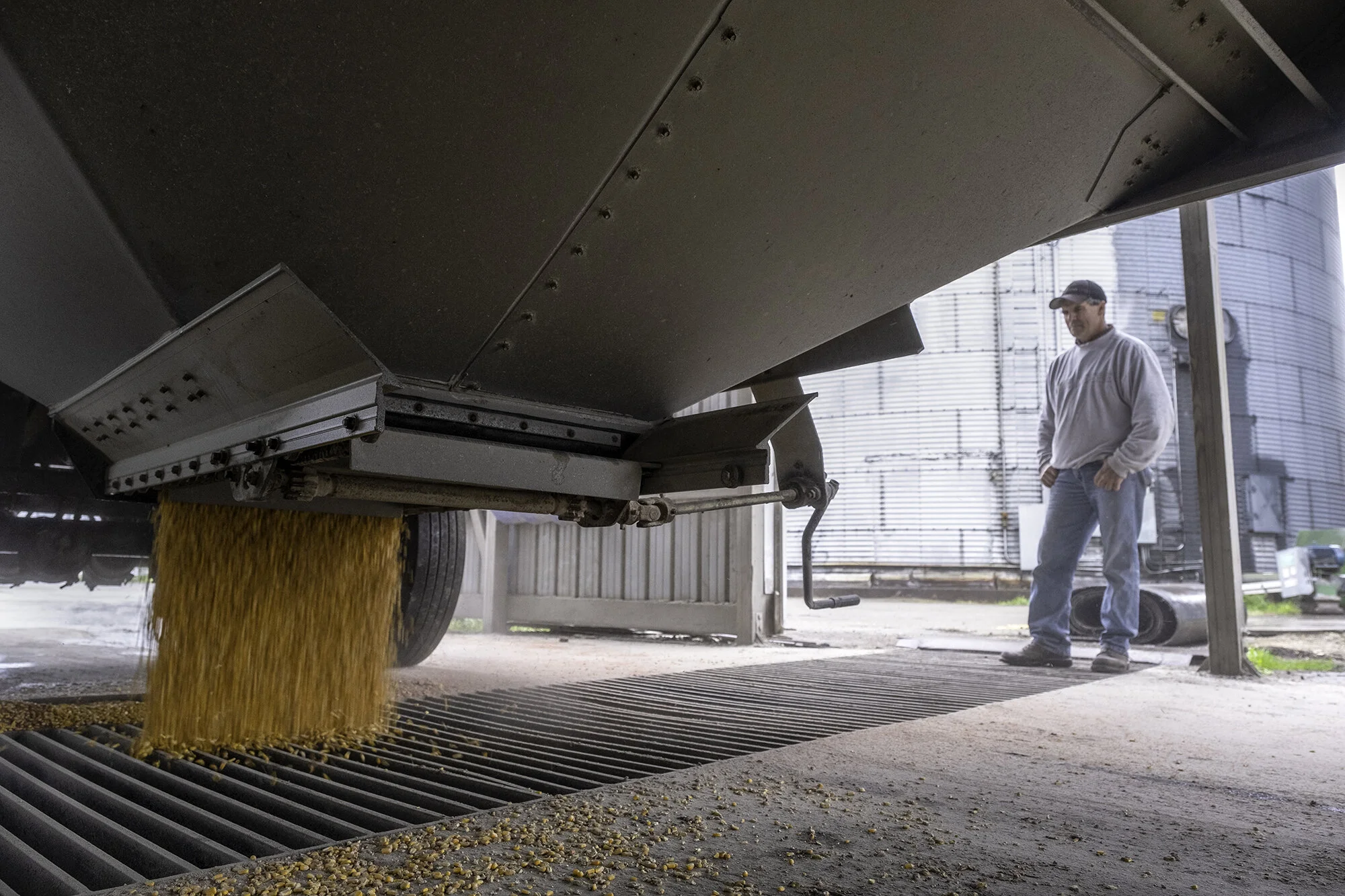
Iowa farmers are being heavily impacted by Trump’s trade wars, yet support for him at this point has not eroded to any significant extent. Lindsay Greiner is a former president of the Iowa Corn Farmer’s Association and he reflects these sentiments. He wants to see the trade wars completed, so he can work with prices that support his corn, soybean and pig farming. Iowa farmers represent a significant portion of this crucial first state in the electoral process for 2020.
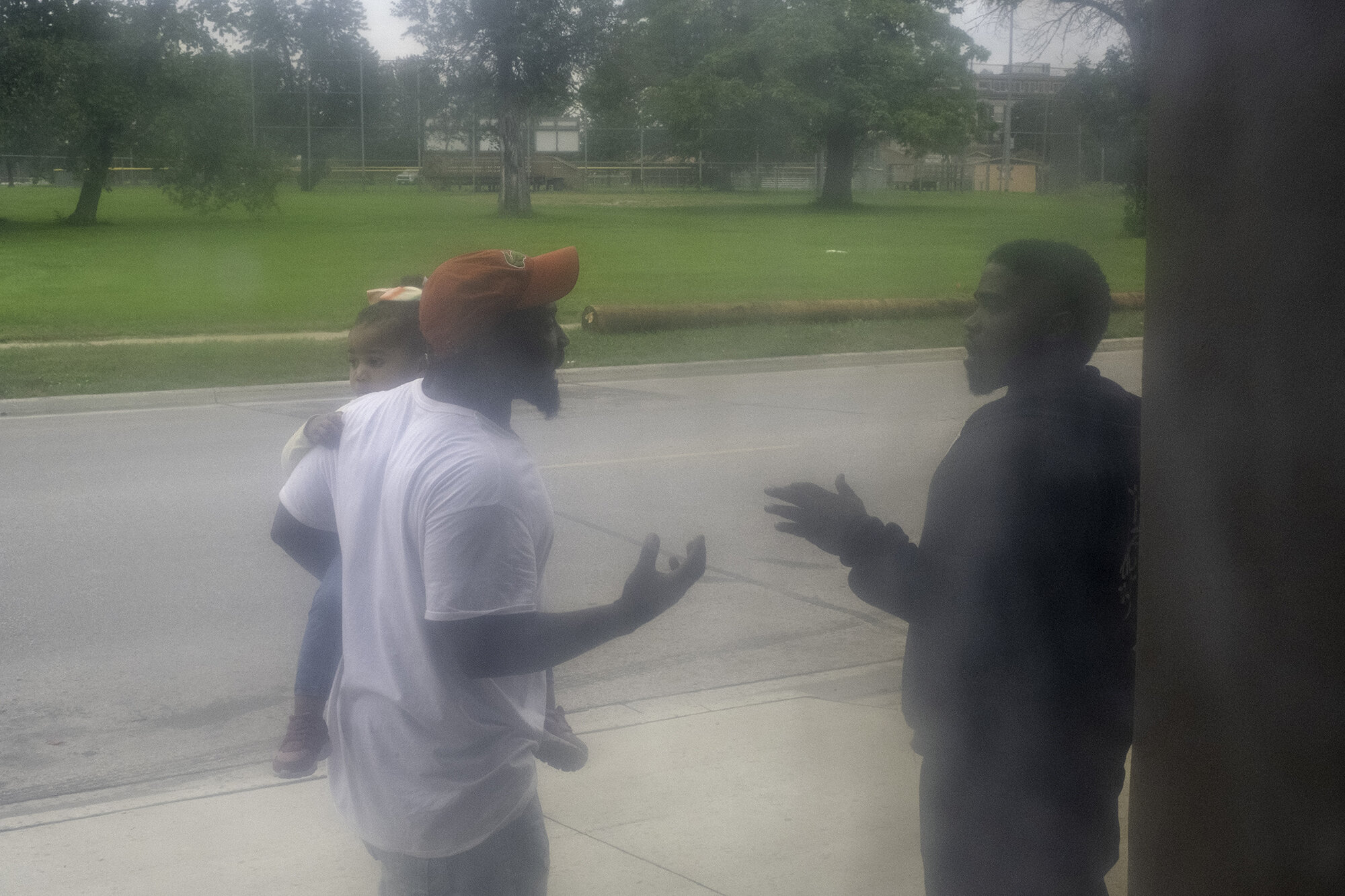
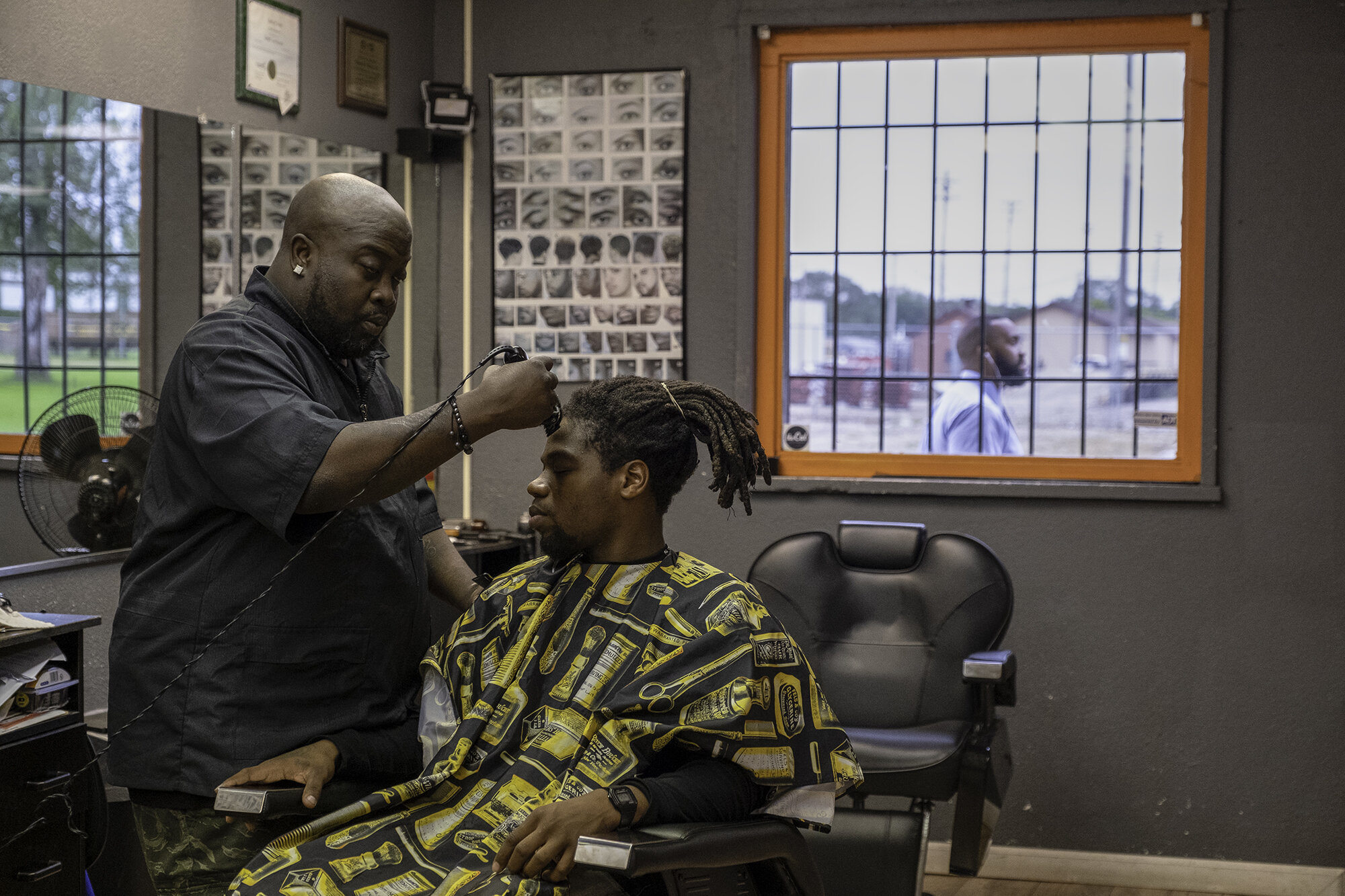
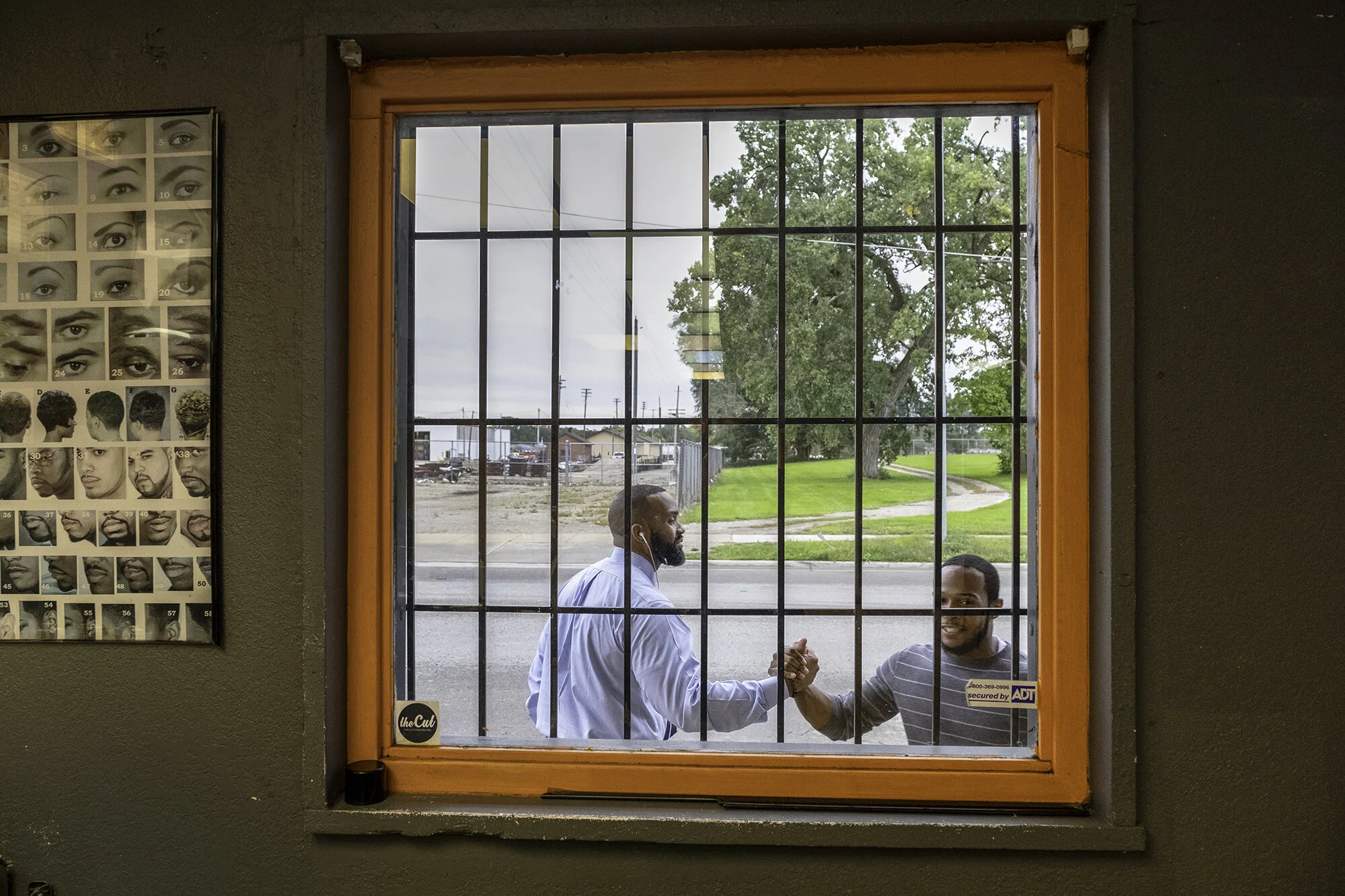
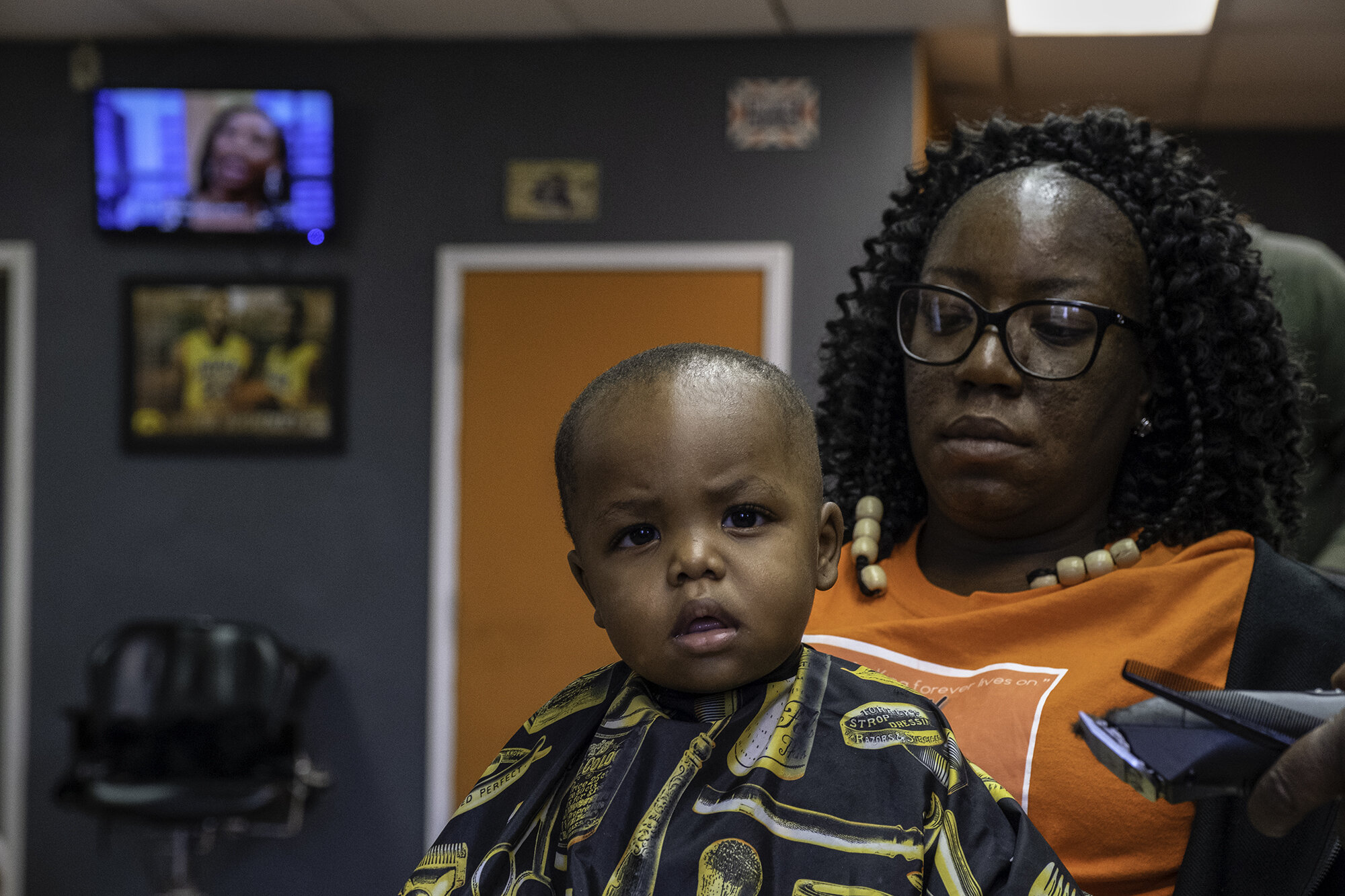
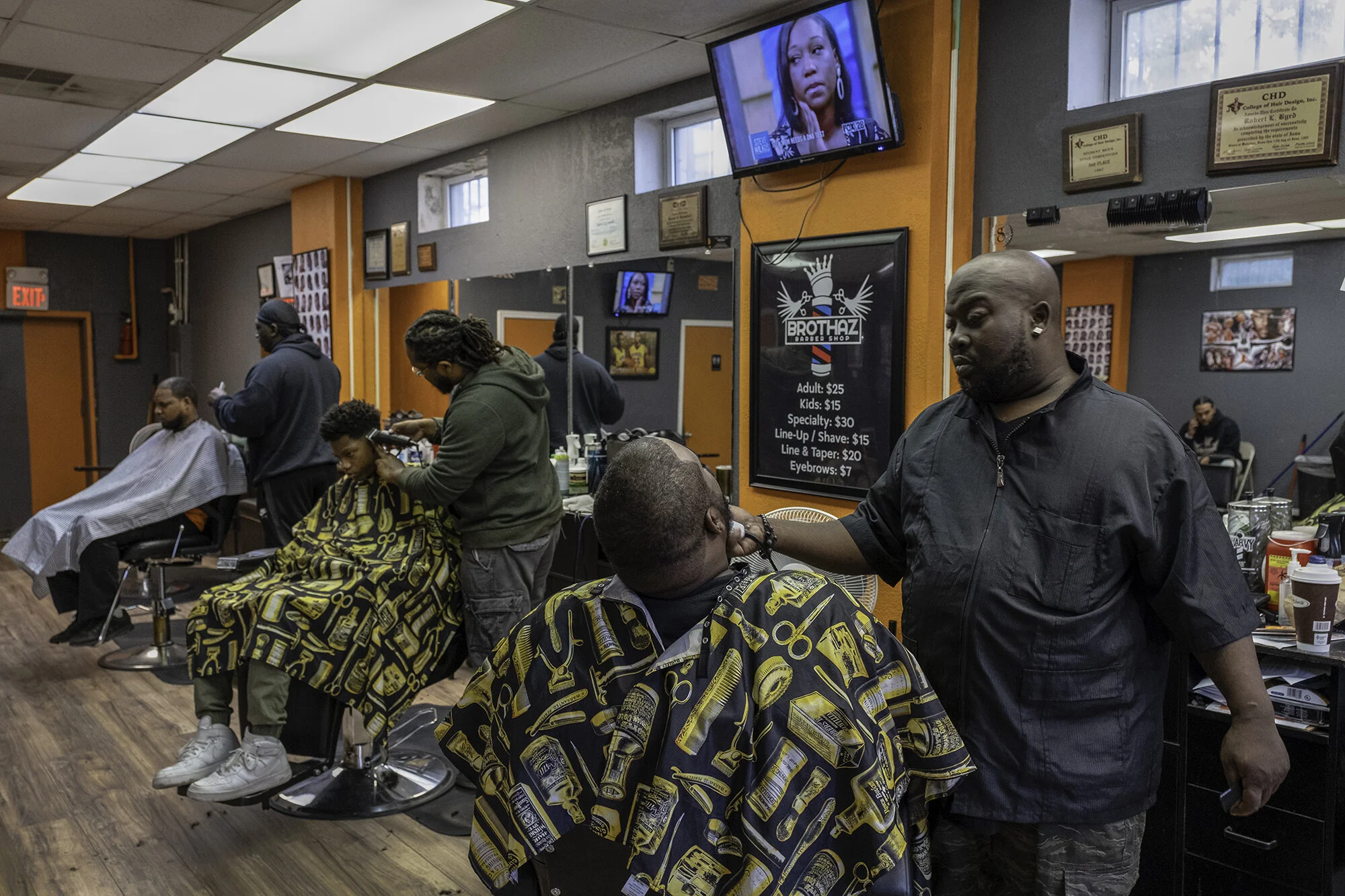
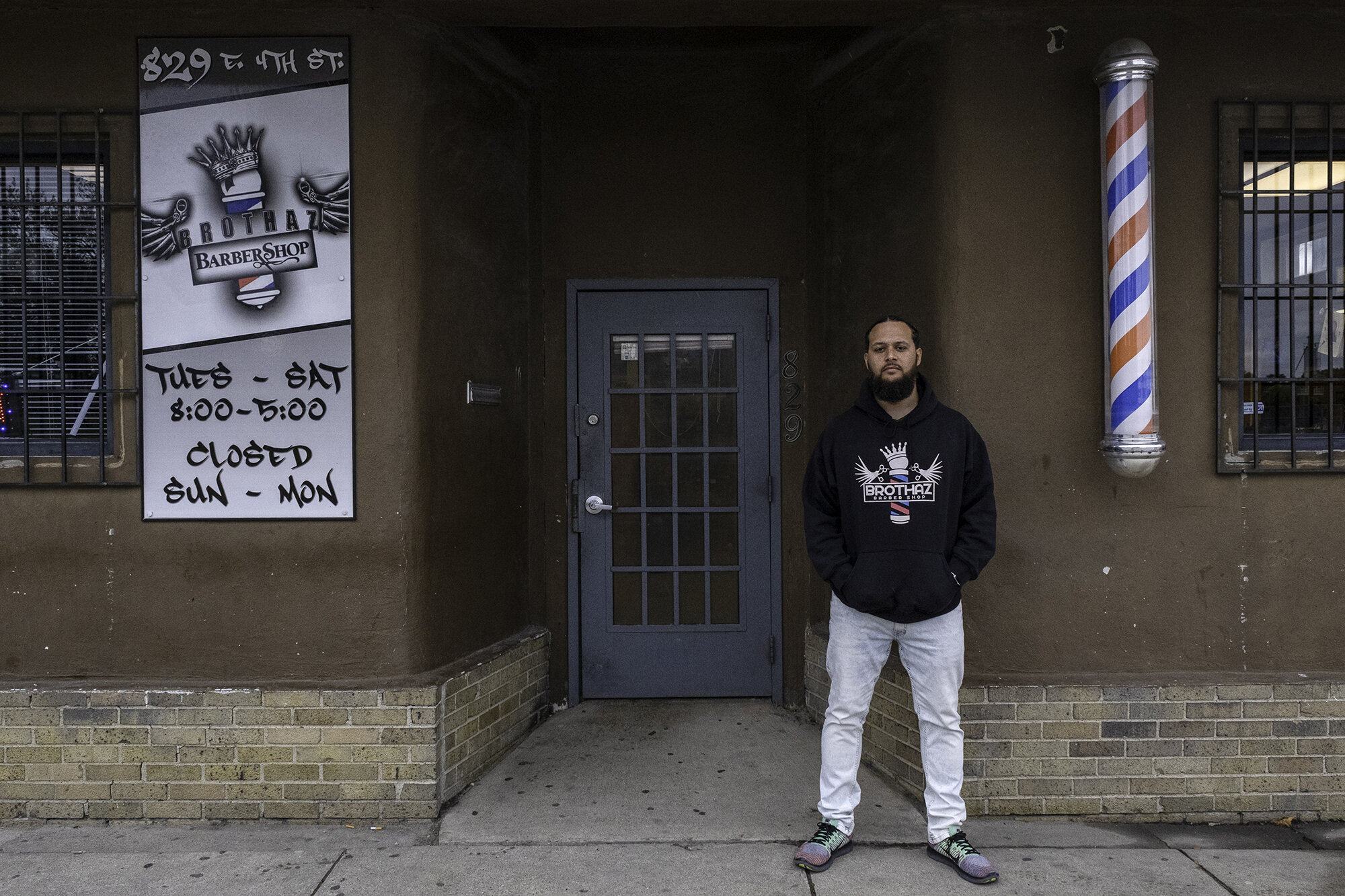
Brothaz Barber Shop is in Waterloo, Iowa, a city that the 24/7 Wall Street said, “no U.S. metro area has larger social and economic disparities along racial lines than Waterloo-Cedar Rapids, Iowa.” I spent an afternoon in the Brothaz Barber shop, a local hangout for both blacks and whites, to get a sense of how the African American community feels about race relations and the position of blacks in this city of 68,000 in one of the whitest states in America. What I found was a sense of pride, desire to see an even playing field for housing, education and better policing.
Orphans of the Universe / July 25, 2017

Throughout their history, the Kurdish people have been the victims of geopolitics. Consistently entangled by conflicts in the oil-rich territories along the borders of Iran, Iraq, Syria, and Turkey; exploited and betrayed first by colonial nations and Cold War superpowers; and suffering the genocidal campaigns of Saddam Hussein, the Kurds have endured decades of displacement.

While I was photographing in Northern Ireland in early 1990, I met a British artist and his Kurdish wife. Over the next year, I spent time with this couple learning about Kurdish ancient culture, their seemingly never-ending fight for survival, and the atrocities committed against them, which were mostly unreported by Western press. I became fascinated with their history and drive for a homeland. The Kurds are the largest ethnic group in the world without a nation due to the breakup of the modern Middle East after World War I and the Kurdistan region’s division into what is now Iran, Iraq, Turkey, Syria, and the former Soviet Republic of Armenia. Thus followed decades of oppression and even chemical warfare.

Left: Dancers celebrate the Kurdish New Year in London, England in 1991. | Center: Refugees preparing to make a journey in Iraq in 1991. | Right: Kurdish women dancing at a wedding in Van, Turkey in 1991. ©Ed Kashi/VII

Left: Dancers celebrate the Kurdish New Year in London, England in 1991. | Center: Refugees preparing to make a journey in Iraq in 1991. | Right: Kurdish women dancing at a wedding in Van, Turkey in 1991. ©Ed Kashi/VII

The Ey Reqîb is the Kurdish national anthem, written by poet and political activist Dildar while in jail in 1938. The title is translated to “O Enemy!” or “Hey Enemy!” referencing the torture Dildar suffered at the hands of the prison guards and indicates a revolutionary socialism. Translated into English, the first verse reads: “Oh, enemy! The Kurdish people live on / They have not been crushed by the weapons of any time / Let no one say Kurds are dead, they are living / They live and never shall we lower our flag.”

Kurdish refugees sit by the side of the road in Zakho, Iraq on May 4, 1991. ©Ed Kashi/VII

Kurdish refugees sit by the side of the road in Zakho, Iraq on May 4, 1991. ©Ed Kashi/VII

Having become increasingly interested in the Kurds and their history, I finally headed to the ancient city of Diyarbakir, Turkey in 1991; and with the support of National Geographic, I had the means to cover eight countries in six months. By the time I returned to the states, I had shot over 1,100 rolls of film. This body of work became a book entitled When The Borders Bleed: The Struggle of the Kurds including an introduction by acclaimed political writer Christopher Hutchins. There was a brief period after the Gulf War that brought the Kurdish story to global attention, but it was not long before it became overshadowed. The Kurds fight daily to maintain their lives, their land, and their language. When The Borders Bleed, published by Pantheon Books in 1994, is a tribute to the strength and dignity of the Kurdish people.

Left: Kurdish wedding in Cazak, Turkey, 1991. | Center: Scenic view of Kurdish shepherds in northern Iraq, 1991. | Right: Members of a Kurdish youth gang, the Sioux, roughhouse with each other in the streets of Berlin, Germany, 1991. ©Ed Kashi/VII

Left: Kurdish wedding in Cazak, Turkey, 1991. | Center: Scenic view of Kurdish shepherds in northern Iraq, 1991. | Right: Members of a Kurdish youth gang, the Sioux, roughhouse with each other in the streets of Berlin, Germany, 1991. ©Ed Kashi/VII

Newroz or Nowruz, is the Kurdish celebration of New Year’s Day, falling on March 21st, the first day of Spring. The holiday originated in Zoroastrianism in Persia and is celebrated by Iranian influenced cultural regions. The holiday partly recognized the Kurdish plight as well as hope for the future and the new beginnings that spring represents. I had the opportunity to photograph the Newroz celebration in Diyarbakir, Turkey in 2003; the same location that I began my journey over a decade prior. That year, the celebration was marked by over 10,000 passionate Kurds and heavy Turkish security measures with some anti-US and anti-war sentiments.

Kurds gather together to celebrate the Kurdish New Year in Diyarbakir, Turkey on March 21, 2003. The Kurdish New Year, called Newroz, is celebrated by more than 10,000 Kurds in Diyarbakir, Turkey. This annual event takes place on March 21, the sprin…

Kurds gather together to celebrate the Kurdish New Year in Diyarbakir, Turkey on March 21, 2003. The Kurdish New Year, called Newroz, is celebrated by more than 10,000 Kurds in Diyarbakir, Turkey. This annual event takes place on March 21, the spring solstice. This year’s Newroz celebration was marked by heavy security measures and some anti US and anti war sentiments. ©Ed Kashi/VII

Today in Diyarbakir, according to a recent New York Times article, the oppression of Kurdish culture and identity remains, and under the regime of President Recep Tayyip Erdogan, it appears a new war against the Kurds has sadly begun. “Since the founding of the Turkish republic in 1923, which enshrined a monocultural national identity, the country’s sizable Kurdish minority – around 20 percent of the population, numbering close to 20 million – has often been banned from expressing its own culture or, at times, from speaking the Kurdish language.” (Patrick Kingsley, 6/29/17). According to the same article, over 140,000 people have been fired from their jobs and up to 50,000 have been arrested. The individuals targeted were apparently promoting the concept of a “unique Kurdish culture.”

To know that the Kurdish plight for a homeland continues still 20 years after I first began documenting their struggles is heart wrenching. The Kurds will hold an independence referendum in September in Iraq, where many are located along the borders; along with locations in southeast Turkey, northeast Iraq, and northeast Syria. The current administration, led by President Erdogan, fired over 80 elected mayors and replaced them with state-appointed trustees. In Diyarbakir, which is known as the spiritual capital of Turkish Kurdistan, the municipal department promoting the teaching of the Kurdish language had to deal with the firing of 80% of their staff. The only Kurdish-language newspaper in Turkey was closed last summer in addition to 10 television channels that broadcast some Kurdish programs. Erdogan claims that the firings and jailing’s are about terrorism, not Kurdish identity eradication. Critics believe that the government’s tactics are clearly attempting to end Kurdish culture.

Left: Members of a Kurdish youth gang, called the Sioux, on the streets of Berlin, Germany in 1991. | Right: Students study Kurdish history in a classroom of a bombed out school in Penjwin, Iraq near the Iranian border in 1991. ©Ed Kashi/VII

Left: Members of a Kurdish youth gang, called the Sioux, on the streets of Berlin, Germany in 1991. | Right: Students study Kurdish history in a classroom of a bombed out school in Penjwin, Iraq near the Iranian border in 1991. ©Ed Kashi/VII

In 2005, I spent another seven weeks in Iraqi Kurdistan on assignment for National Geographic, making thousands of photographs capturing the daily lives of Kurds spanning the gamut of human experience. The Iraqi Kurdistan Flipbook film I created offers an alternate perspective on a changing culture, one different from the destruction and discord that dominates so much of media coverage of the region. I discovered this mixture of old techniques and new technology while editing my first digitally shot project for National Geographic magazine. The story focused on the Kurdish region of Iraq post 2003 American invasion. The mountainous, verdant, and magical land about the size of Switzerland is home to bitter and tragic history. Between 1975 and 1991, more than 4,000 of the Kurds’ villages and cities were destroyed. After the American invasion, the Kurds have enjoyed freedom from the Iraqi Arabs and continue to strive for a thriving democracy of healing and rebuilding.

Captured in the film are policemen seated in the floor, eating lunch and laughing, old men taking care of their fields, and young girls celebrating at a suburban birthday party. The Iraqi Kurds endured generations of brutality under Saddam Hussein, and the 200,000 lives lost take a toll on the people as a whole. The film explores, despite these immense hardships, the growing autonomy and equality that a free Kurdish people dream of creating.

- Ed


Gold Mining in Ghana / Aug. 16, 2016

Just two weeks ago I had the tremendous privilege of witnessing what can happen when a small, poor, and, in the eyes of the modern world, underdeveloped community confronts a large, multinational mining company. The small, remote and rural community of Tanchara, Ghana rejected an Australian gold mining operation and kicked that company off their lands. I learned about this and more while working on an eye-opening film project in Ghana, a small West African country, with the New Media Advocacy Project. This story takes place in Tanchara, which is near the border with Burkina Faso in the Upper Western region of Ghana. It is the story of a remote community that successfully repelled a huge, multinational gold mining company from exploiting their land and resources. Tanchara’s story is inspirational because it is a model for communities around the world to stand up to extractive companies who wish to profit from the exploitation and potential destruction of their land and ways of life.

Photo ©Ed Kashi/VII

Photo ©Ed Kashi/VII

Tanchara was guided through this process by a local NGO, CIKOD (Centre For Indigenous Knowledge & Organizational Development), which has created tools to help communities in Africa and around the world to mobilize when confronted with extractive industries who want to come onto their lands. CIKOD teaches these communities to use their cultural and environmental assets more effectively, which in turn allows them to manage and direct their own affairs without perpetually relying on external agencies or organizations. In a nutshell: CIKOD tries to get rural communities to treat their untouched land as an extremely valuable resource. The extraction industry is focused on what’s underneath the ground. But for communities such as Tanchara, their way of life is totally dependent on keeping their land from being destroyed, which means keeping the gold in the ground.

I strongly encourage anyone who is interested in this subject to go read more on CIKOD’s website. Much of what I have learned about the mobilization of small, rural communities in Ghana is thanks to them. This post is based on my experiences in the field and what I have learned from their staff and literature. I have paraphrased from some of their research, so if you want to learn the specifics of their policies and strategies, I urge you to head on over to their website. You can click here to see a summary of what CIKOD has accomplished.

Photo ©Ed Kashi/VII

Photo ©Ed Kashi/VII

I have noticed that in my work on extractive industries, and when you look at the long, destructive legacy of colonialism, a pattern becomes apparent. The colonizer comes in, undermines the cultural traditions and structures that exist  and replaces them with poorly adapted systems that allow for maximum exploitation of resources. This is almost always devastating to the local people, their internal structures, culture, spiritual beliefs and ways of life. Extractive industries are often only a form of corporate neo-colonialism, rarely working in concert with the people whose land they gain riches from. The landscape in Tanchara contains fruit and nut trees (including shea), small farms and sacred groves that are preserved by the community because of their cultural and spiritual significance as well as their abundance of medicinal plants. The entire region is ecologically fragile, with low rainfall and low soil fertility. Communities are heavily dependent on the land remaining intact for their livelihoods.

Despite Ghana’s relatively modern and functional political system, the majority of the population, especially in rural areas, still look to traditional institutions to make important decisions. There is a disconnect between the government and rural communities because the reality is that most communities put their faith in these traditional institutions much more than they do in the formal government. Hometown associations and clan networks are the political institutions of rural communities, not the modern political system. Because of the disconnect between these two institutions, the government will often sign off on development deals without consulting these local communities.

For example: The Tanchara community in Lawra, located in the Upper Western Region of Ghana along the border with Burkina Faso, consists of approximately 4,000 people who are governed by intricate traditional governance structures. These structures consist of the Divisional Chief, the Pognaa (also known as the ‘Queen Mother’), and the Tingandem (spiritual leaders). We interviewed representatives from each group and I was struck by the unity of their voices.

Photo ©Ed Kashi/VII

Photo ©Ed Kashi/VII

For more than a decade the Ghanaian government has been allocating licenses to foreign mining companies to prospect for gold in the Upper Western Region of the country. In 2004 the Azumah Resources Limited mining company were granted these rights in Tanchara. The government never consulted or asked for consent from anyone in Tanchara before they signed off on the deal. Thus far, this story is typical of how a lot of ‘development’ happens in countries like Ghana. What is not typical is how this community managed to stand up to both the government and Azumah. The community has now wholly rejected gold. The mining company had come in and started to dig exploratory holes which looked like small scars on the landscape: a foreboding symbol of what could have happened. The operations began to poison their streams and remove foliage from the surface, which affected both forests and crops. Stories of people falling into the holes and drowning spread through the community. People worried about their livestock and children falling in as well.

Soon after the deal in 2004, gold prospectors started showing up in the region and many illegal miners came to Tanchara to dig small open pit mines. Their activities provided a taste of the kind of destruction that would come to pass if Azumah were allowed to go forward with their plans to extract as much gold as possible. Tanchara was successful in banishing gold mining from its land in a large part because of CIKOD. The NGO provided them with ways to quantify the resources they already had and measure them against the value of what mining would bring. CIKOD also helped them to mobilize. They pushed for Tanchara to draft a community contract and community by-laws that effectively prevented any further mining. They brought the community together and helped them to develop the tools to stand up to Azumah.

Photo ©Ed Kashi/VII

Photo ©Ed Kashi/VII

Each time we entered this community I was struck by its natural beauty and bounty. The people have nature working perfectly for them. Farmers use a healthy variety of crops, they seem to have enough clean water from local wells and they understand how the trees on their lands can work in concert with the crops they grow to provide maximum output, conserve water and provide food. When I asked why a particular tree was bare and looking dead, even though it was the rainy season and everything else was lush and verdant, they explained that that species blooms during the dry season and provides shade for certain crops as well as producing oils from its leaves that help their bodies during the drier, colder weather. All of this was put in jeopardy when the government granted Azumah the right to mine for gold. It is truly miraculous what this community has achieved. They have banished the extraction industry from their land for good, even in the face of their own government.

I have seen the opposite happen in Iraq, Nigeria, India and many other places in the world. Poor communities in developing countries face the constant threat of exploitation, particularly of their resources. This exploitation almost never leads to development or wealth for these communities and usually necessitates the destruction of their land and an uneven creation of wealth that only benefits the few and the elite. I have immense respect for how these Ghanaians have taken their own fate into their hands and formulated a workable solution to what seems an incessant problem for developing communities, particularly in Africa.

The work of the New Media Advocacy Project is to highlight these initiatives through video storytelling, with the purpose of showing the results as an instructive tool to other communities around the world facing these multinational behemoths. The hope is that this will better prepare communities to either enter into a more balanced and healthy relationship of development, or to reject these companies outright, as Tanchara has done.

Photo ©Ed Kashi/VII

Photo ©Ed Kashi/VII


Nicaragua Unbound / April 14, 2016

My first time visiting Managua, Nicaragua in 1983 was only my second trip to a country in the developing world. I traveled with a group of American doctors from San Francisco who were going down to provide medical support to the newly victorious Sandinista government, which had overthrown the dictator, Anastasio Somoza, in 1979.  When I arrived, I was greeted by an energy that I had never felt before or since. There was a palpable joy in the air, a feeling that the people had actually freed their country and regained control of their destiny. Tragically, that was a short lived dream, mainly due to the cold war proxy fight that the Reagan administration prosecuted through the illegal Iran/Contra affair. Basically the Reagan administration covertly sold arms to Iran, and the money the CIA received was used as a slush fund to support the Contra rebels, who were fighting the Sandanistas. What transpired was a protracted conflict throughout much of the 1980’s. Whether the Sandinistas would have ever made good on their promises, it’s impossible to know given the drain on their energy, treasury, and good will, in having to fight a tough war against US-backed rebels. Here is an image I made during my visit back then, which represented a massive education in what it meant to cover conflict and how difficult it can be to produce work that makes a difference.

Boy soldiers play chess with bullets at a military outpost in Matagalpa province in Nicaragua during the war with the Contras, four years after the 1979 Sandinista revolution. 1983. ©Ed Kashi/VII

Boy soldiers play chess with bullets at a military outpost in Matagalpa province in Nicaragua during the war with the Contras, four years after the 1979 Sandinista revolution. 1983. ©Ed Kashi/VII

This past Sunday I arrived in Managua for the fifth time in the past 4 years to continue a stills and video project on CKDnT, chronic kidney disease of unknown origins, which has sickened or killed approximately 20,000 sugar cane workers in Nicaragua and throughout Central America over the past 20 years. I am now working with a great young filmmaker, Tom Laffay, in conjunction with Talking Eyes Media and Julie Winokur, on a feature length documentary about this issue.

This time, my arrival was marred by the confiscation of my equipment under the guise of a new law that was recently enacted, requiring foreign filmmakers and journalists to register at least 2 weeks prior to their visit for permission to bring equipment into the country. When I came here last year there was no such law. While the people were pleasant enough, this stressful experience cost me 2 days in the field. I am left feeling bereft of any hope that the current government, which is facing elections later this year, is making life better for it’s people. This new rule also smacks of censorship, or at the very least, undue control of foreign media during an election year. The standard of living in Nicaragua is the second lowest in the Western Hemisphere. Development has been stymied and the spirit of the people, while beautiful and in some ways gentle and positive, is depressed by the lack of hope or opportunity.

Isaac Valdivia Real, 64, poses for a portrait in front of his wood and plastic shack that he calls home in Chichigalpa, Nicaragua on Jan. 9, 2015. Real started working in the sugar cane fields in 1966 and continued for 34 years before he contracted …

Isaac Valdivia Real, 64, poses for a portrait in front of his wood and plastic shack that he calls home in Chichigalpa, Nicaragua on Jan. 9, 2015. Real started working in the sugar cane fields in 1966 and continued for 34 years before he contracted CKDnT in 2000. He now receives dialysis 3 times a week through a catheter in his neck. As he says, “the treatment is a sacrifice but life is too beautiful to die.” ©Ed Kashi/VII

Having seen the lack of labor protections through the specific work I’ve been doing over the past 3+ years here, I can’t help but feel that the revolution has been a failure and the same power structures of oligarch families and a corrupt government only serve the few and leave the masses behind. One would hope that a socialist political movement, which is what the Sandinistas were founded on, would at the very least protect their workers!

Sugarcane workers begin their morning commute to the fields before dawn in Chichigalpa, Nicaragua, on Jan. 7, 2015. ©Ed Kashi/VII

Sugarcane workers begin their morning commute to the fields before dawn in Chichigalpa, Nicaragua, on Jan. 7, 2015. ©Ed Kashi/VII

Doesn’t this sound familiar in the USA and many other places in the world today? There is no question that the income gap and the failure of our governments to protect the common good, and moreover a prevailing value system that many politicians, companies and individuals seem to increasingly be living by, feed into a culture that works against the common good.

–  Ed


Forging Relationships: The Challenges of Long Term Projects / Dec. 13, 2016

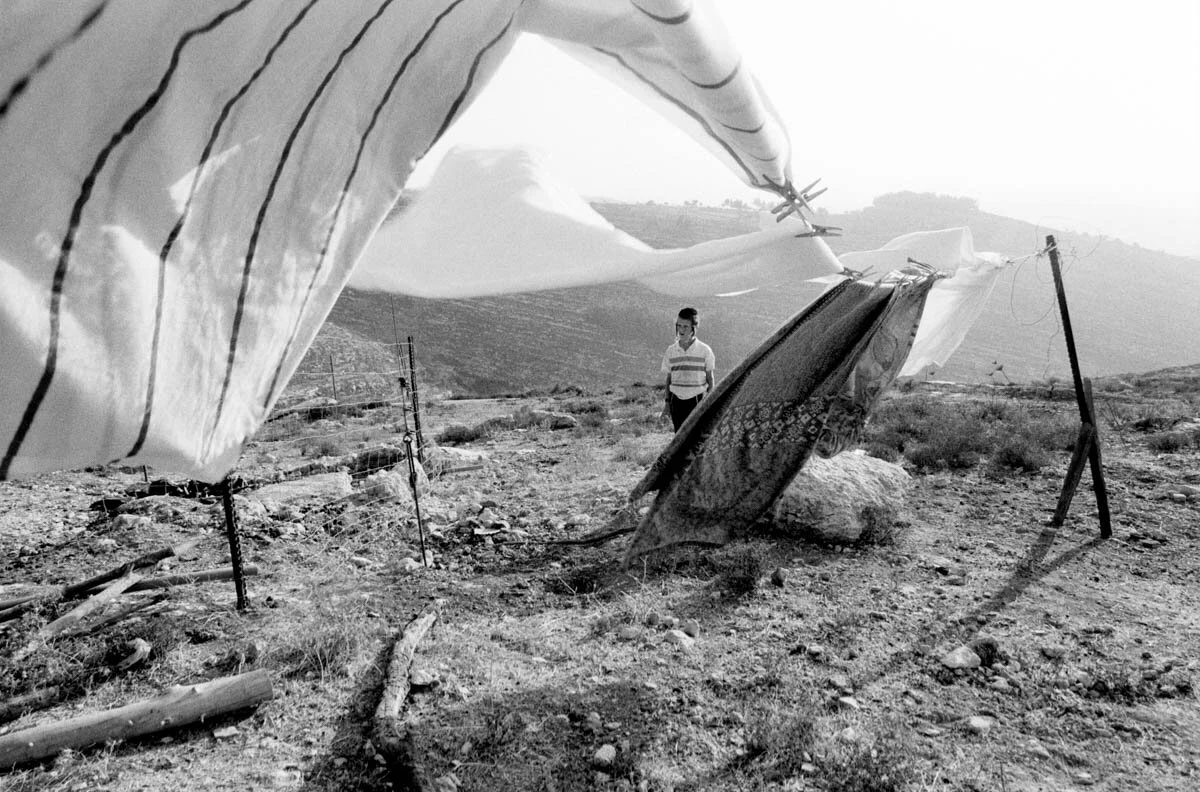
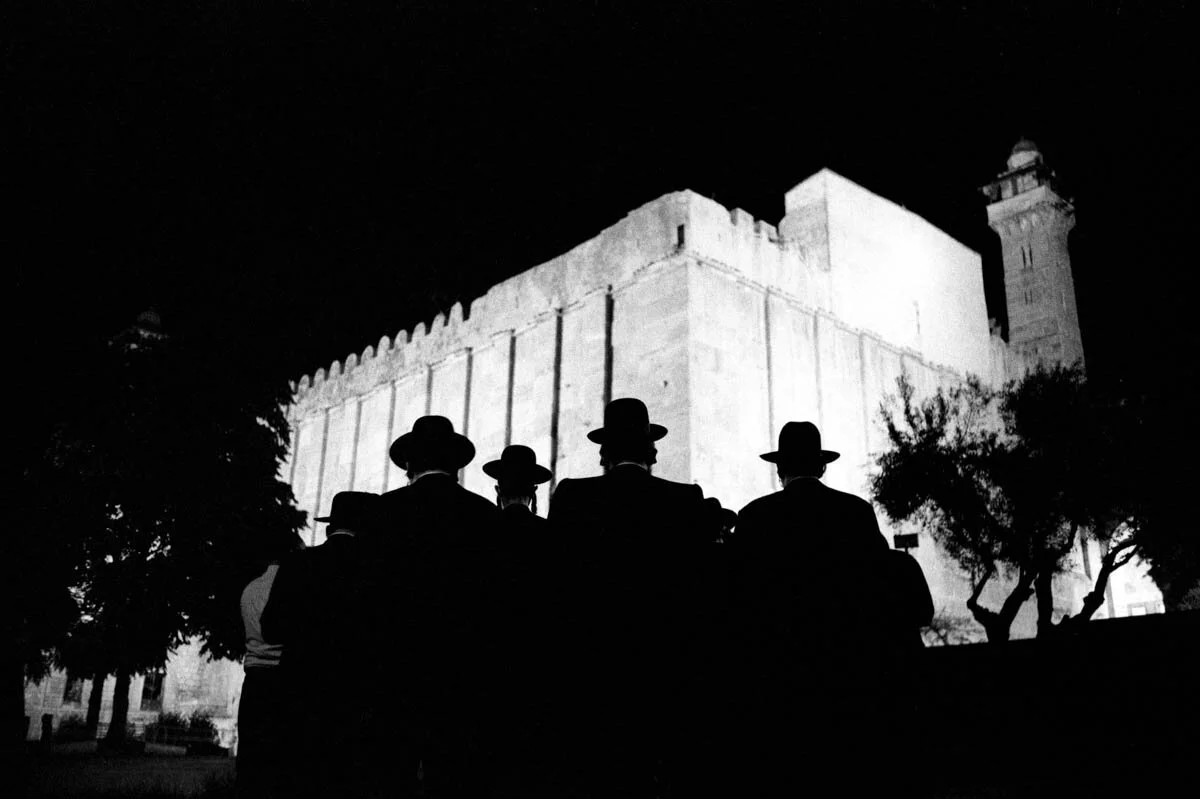
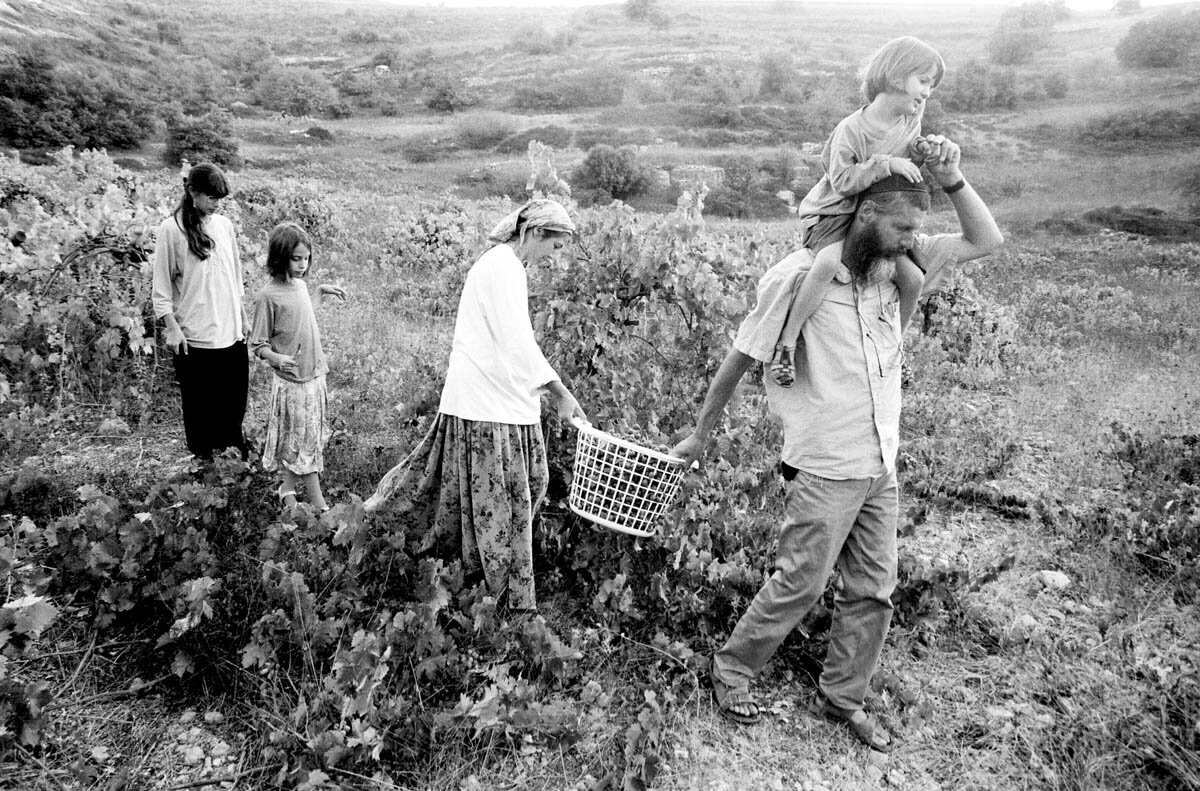
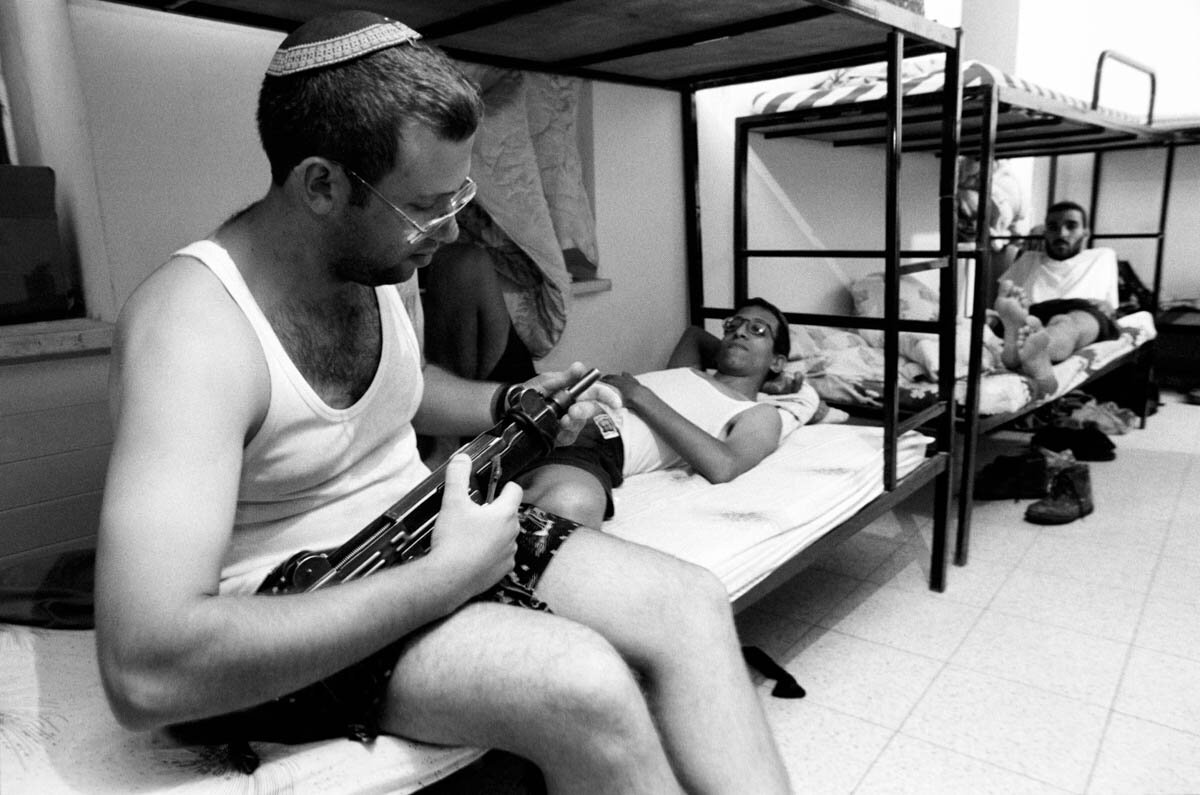
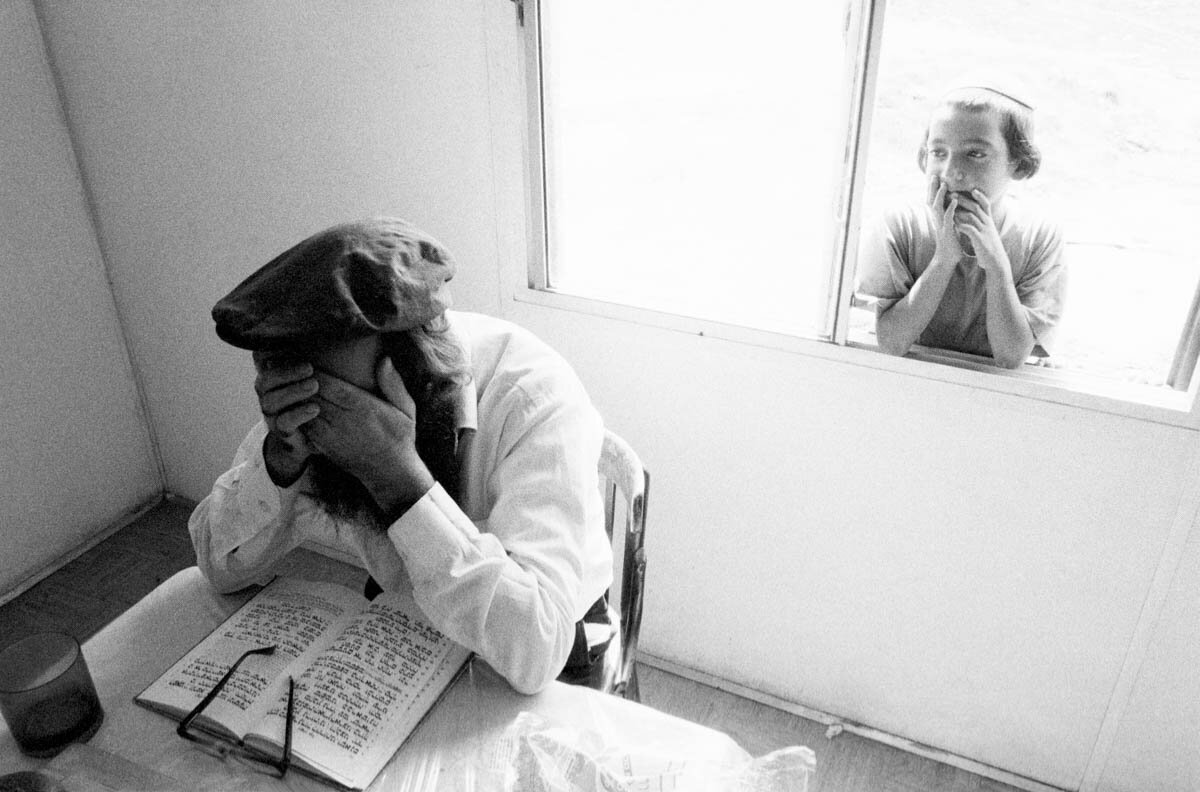
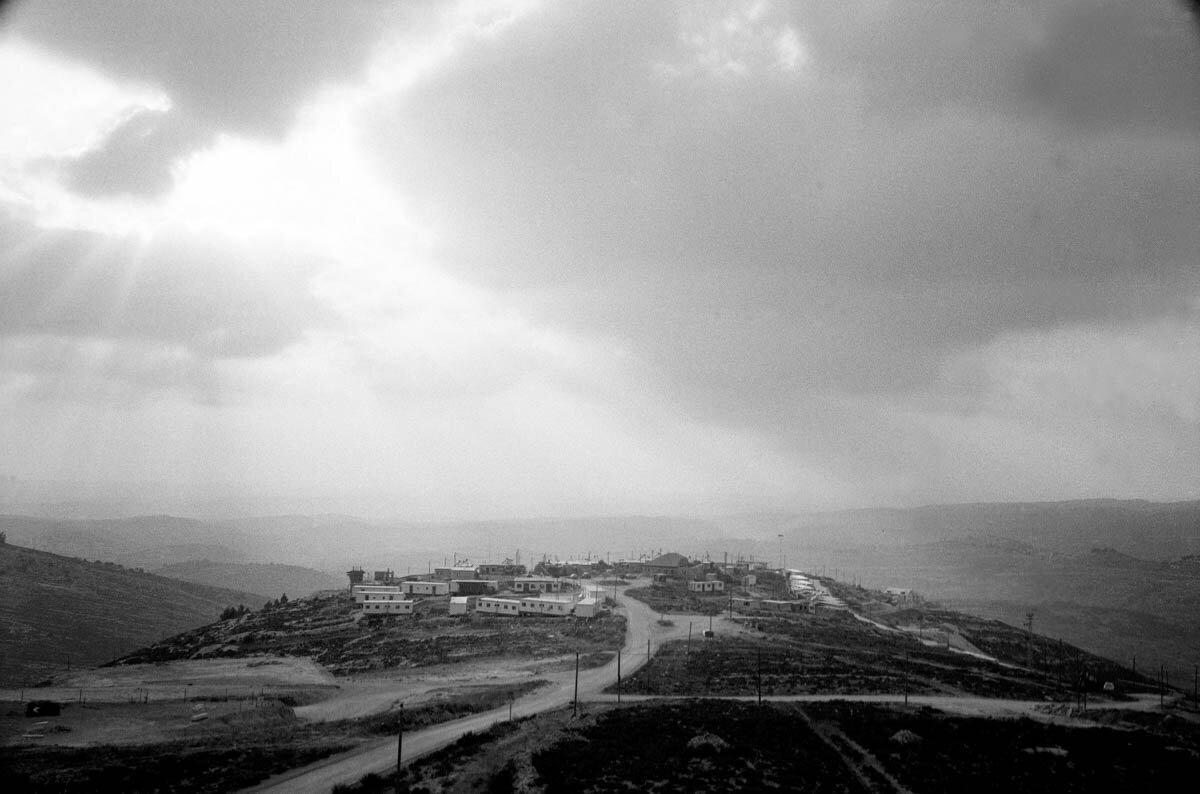
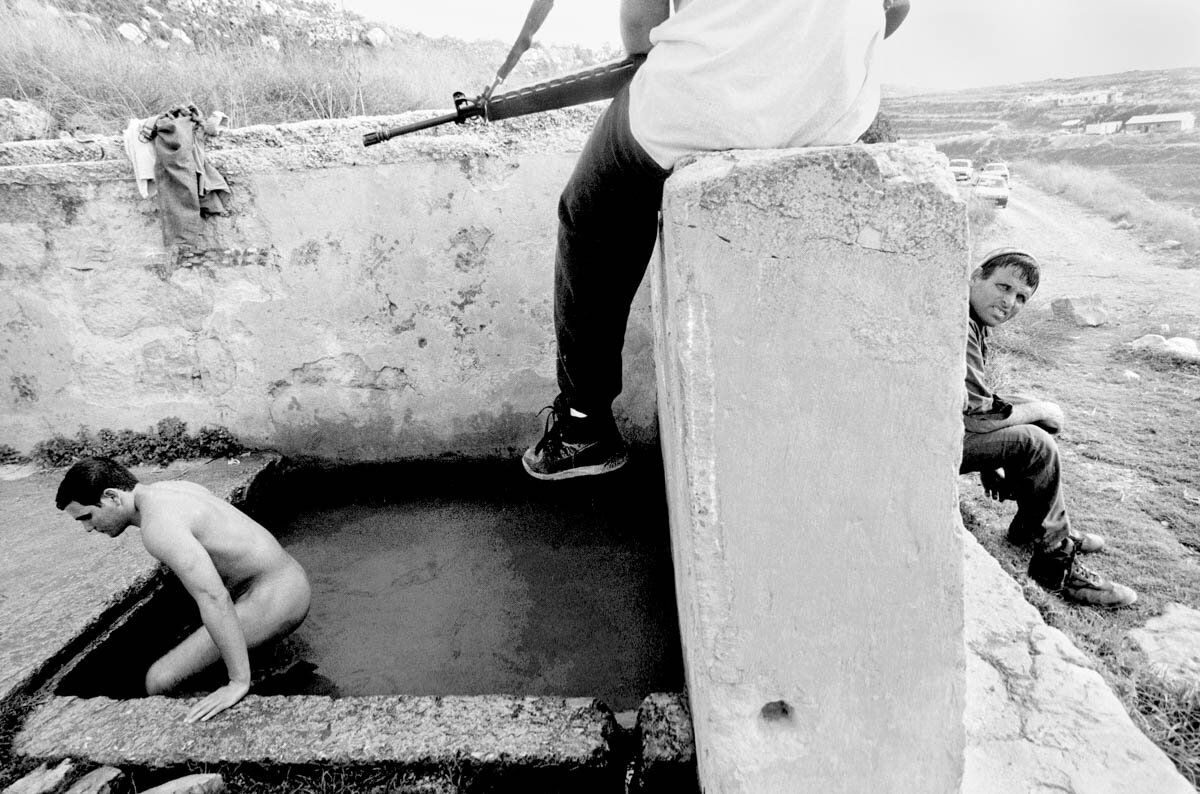
In 1995 I published this piece in Salon about photographing messianic Jewish settlers in the West Bank. At the time, Salon was a pioneer in the world of online journalism. It was one of the first digital media outlets that focused solely on online distribution, so I felt as though I was entering new and uncharted territory for journalism and visual reporting. I had returned many times over a period of three years to photograph two specific communities: one militant enclave in the Arab city of Hebron and another called Bat Ayin – a newer, smaller settlement five miles from Bethlehem. I gained their trust and they let me into their lives. I lived inside their houses while I was there. One man even moved his daughter out of her bedroom so that I would have a private space of my own – sometimes for weeks at a time.

These were people to whom privacy was extremely important, but they let me see things that most other journalists were never allowed to see. Although I had been working on this project intermittently over three years, I was far from finished. It was a finalist for the W. Eugene Smith Grant in 1996, which only strengthened my resolve to continue traveling to Israel and Palestine to make the project deeper and more intimate. I was confident that a story as important as this one needed to be pursued. So confident, in fact, that I wrote this in the aforementioned article: “I plan to return to the West Bank at least twice a year for the next few years to record the settlers’ reactions as the West Bank is relinquished to the Palestinians. No matter where the peace process leads, the ‘true believers’ of the West Bank will remain a community with a powerful story to be documented.”

Things did not work out as I predicted. The West Bank has not been relinquished to the Palestinians, quite the opposite, and the peace process can no longer be described as such. But those weren’t the only things I was wrong about. One day, a few months after the piece in Salon was published, I arrived back in Hebron to continue my work with the settlers. The same man who let me sleep in his daughter’s bedroom met me outside the settlement. He handed me a printout of the article I had written for Salon and said: “You’re done here. You cannot work with us anymore.” And just like that, my project was over.

This is what I wrote that so angered the settlers: “As the assassination of Israeli Prime Minister Yitzhak Rabin has shown, militant Jewish settlers in the West Bank present a formidable obstacle to the country’s quest for peace with the Palestinians. While Hamas and other Arab terrorist groups wage war on the peace process from without, a group of extremist Jewish settlers, unmoved by their government’s policies or public sentiment, are waging war within.”

I stand by those words. Their truth is reflected in what has happened over the past 20 years, and they also accurately reflected my interpretation of what was, and still is, happening. My frankness destroyed my access and I was left at a standstill. Not only would the work remain forever incomplete, I also felt disgraced. They accused me of being cheap and of selling them out. They thought I was a liar, and I couldn’t help but dwell on this most personal feeling of shame.

I still feel torn about my decision to publish those words in Salon. The benefit of hindsight has not been much of a benefit at all. While part of me wishes I had been more circumspect about publishing my personal opinion, there is another part of me that stands firm behind being candid about my beliefs, particularly on an issue such as the Israeli-Palestinian conflict. My point in recounting this story is not, however, to draw conclusions about what I should or shouldn’t have done. Rather, it is to point out the inherently complex nature of human relationships – in this case as it pertains to my role as a photojournalist and documentarian. What happened to me is a prime example of what can happen when people let you into their lives, which is my overarching goal with potential subjects. At the time, the feeling of having been bitten by the internet seemed cruel and novel. The ability to see everything an individual publishes anywhere in the world has created a system where we now have to assume that our subjects will see everything we publish. I welcome this development, even if it sometimes puts a crimp on our ability to work as freely as we had been able to in the past. It has made relationships with subjects even trickier to navigate than before, but in general, more accountability and transparency in our process is a positive development.

As you get closer to the people you photograph, the process become more complex – something we don’t seem to talk about enough in our field. I’m in the early stages of developing a new project that will require intimate access to a married couple who have been separated for the past 12 years while the husband served a 25-year prison sentence for murder. He was released only two months ago and we’ve been spending time getting to know each other. Forging a relationship of mutual trust and respect is without question the most important aspect of making this project succeed.

This process of intimately connecting with your subject is near impossible to teach. If you are someone who wishes to delve into projects, themes, issues or stories of any kind, it is critical to remember that you will only succeed if you maintain the trust of your subjects. The world of journalism, to say nothing of the world as a whole, is badly in need of people who are willing to do this kind of in-depth work. It is impossible to include every detail and point of view in the stories we tell, but the subtleties and nuances of these stories have a much better chance of being understood if you spend extended periods of time fleshing them out. It is an incredibly rich part of being a visual storyteller, and it is one of the main reasons I continue to push forward. It has arguably never been more challenging to do this kind of work. The disruption within the editorial world caused by the digital revolution, the advent of the 24/7 news cycle and, most recently, social media mania, have all contributed unique obstacles to documentary storytellers.

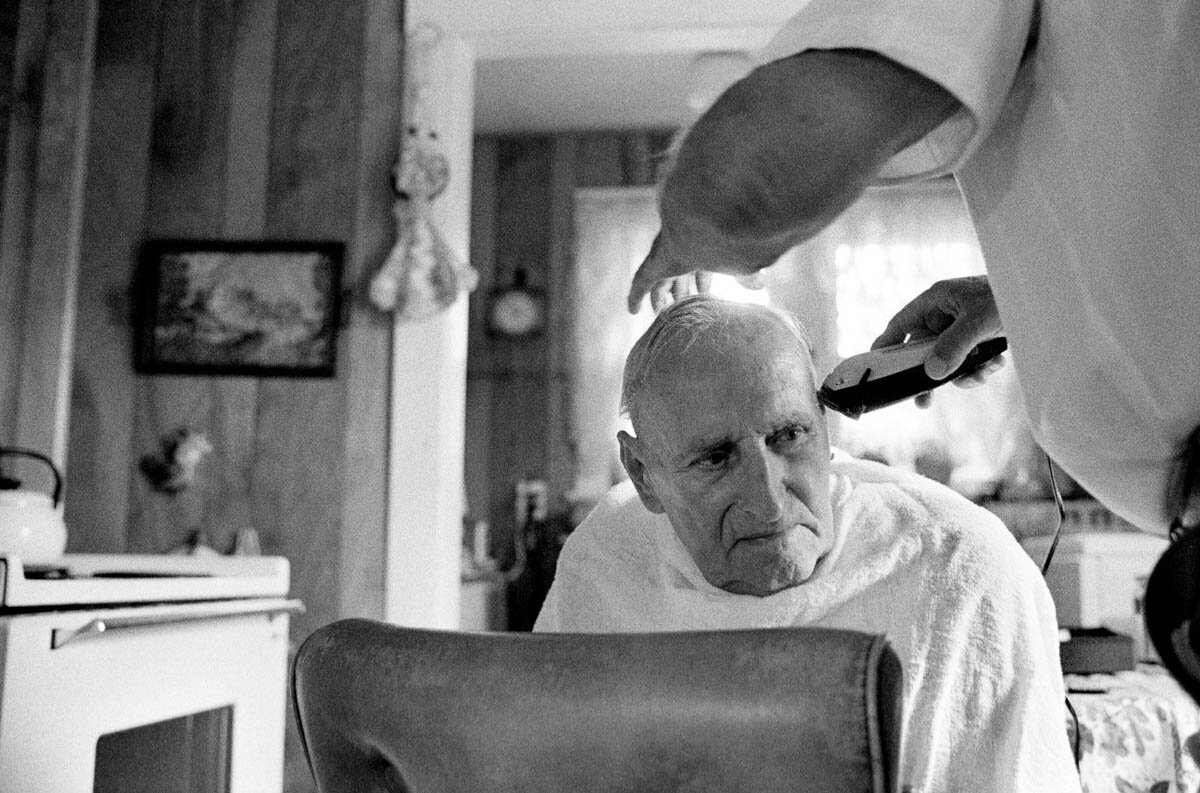
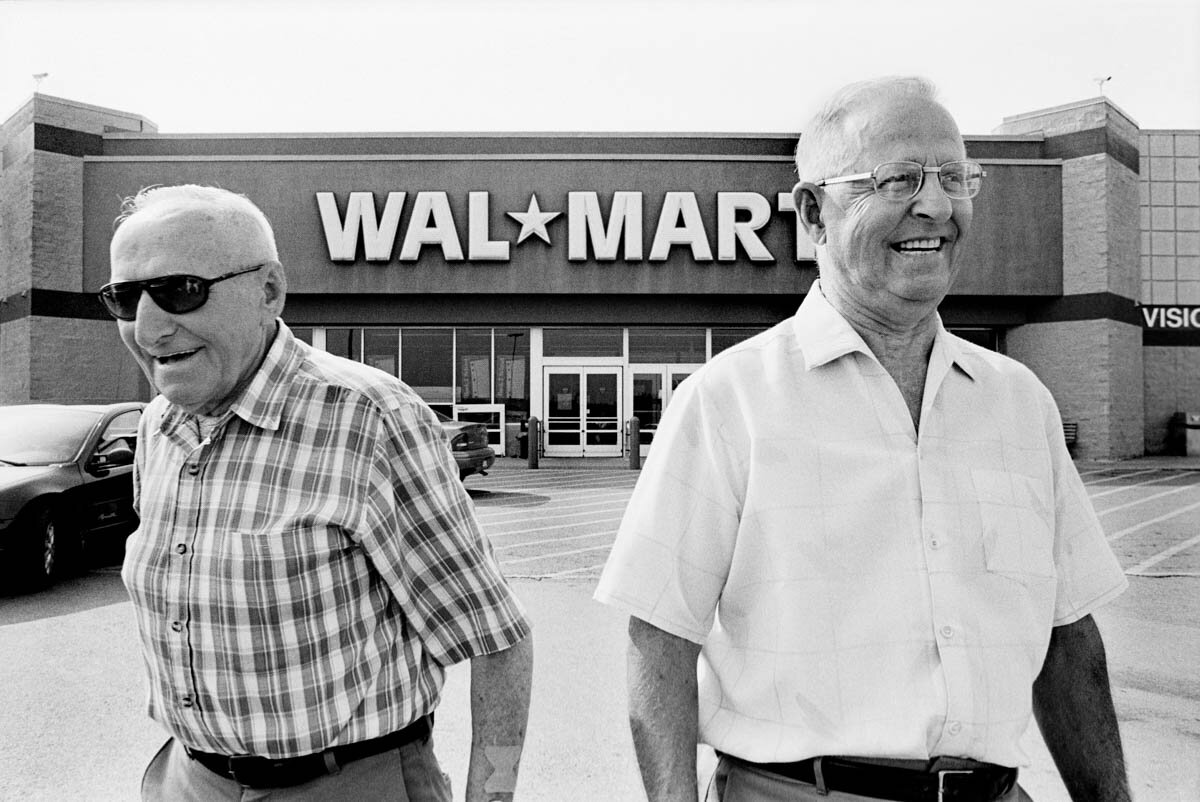
When you are successful, the results go far beyond a meaningful photo essay. It is an incredible privilege to witness so much of life, to explore, and become a part of the vastness of the human experience. A profound illustration of this in my career is Aging in America: The Years Ahead. It was a project about how a society is growing old, so it involved finding people who were willing to let me into their most private and at times vulnerable situations. Many powerful events happened between the moment I met a new subject and the moment their story ended. I was privileged to photograph four deaths for Aging in America, but I was only able to do so because I developed trust.

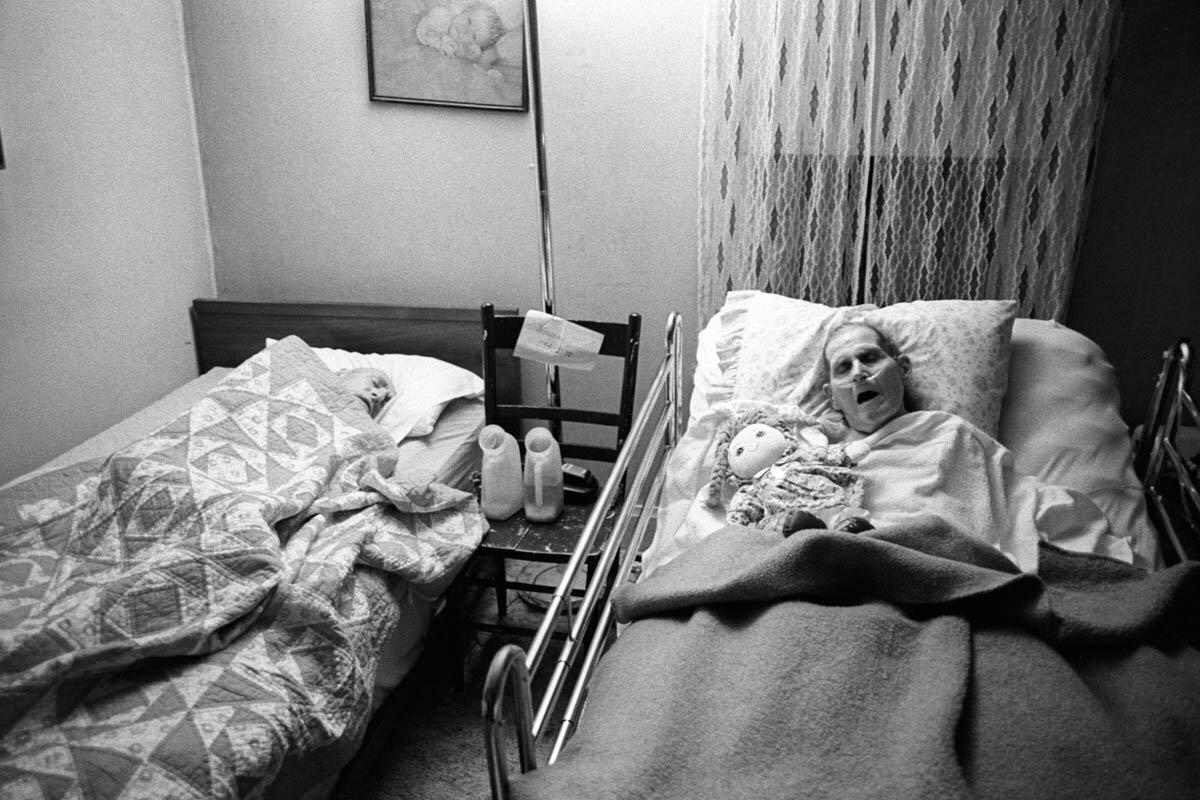
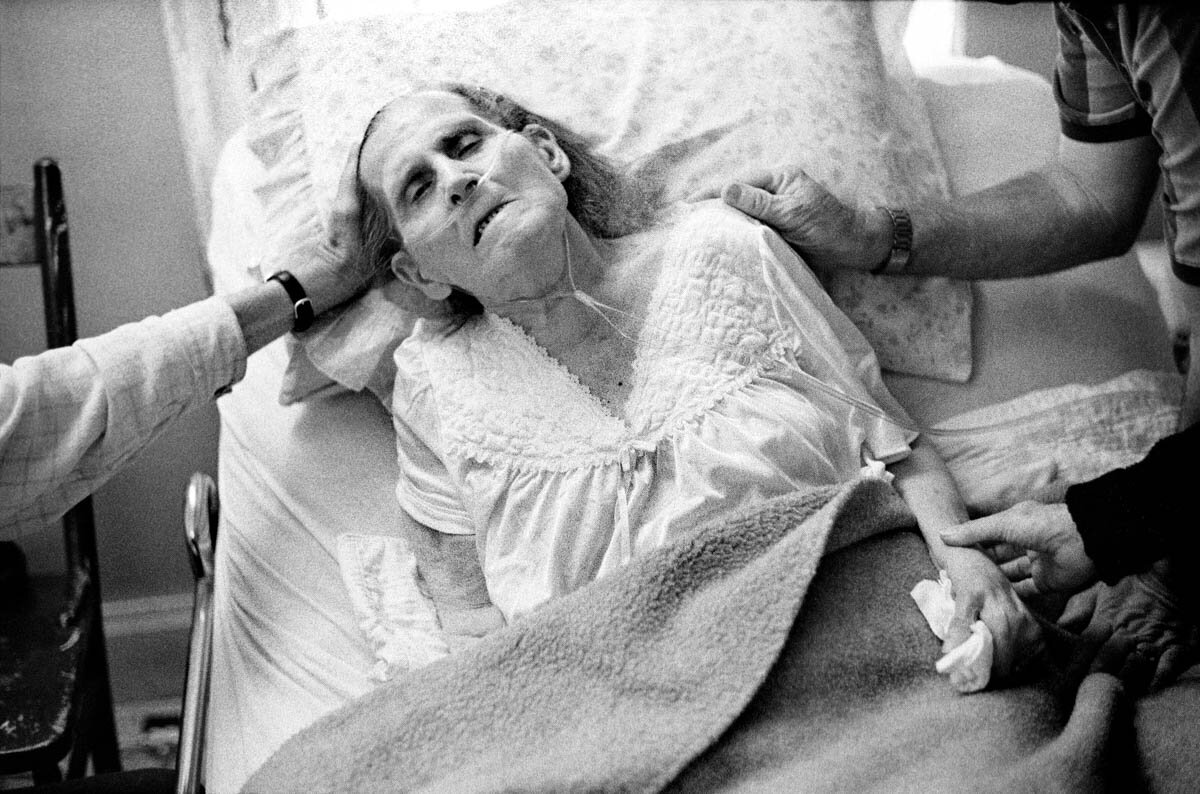
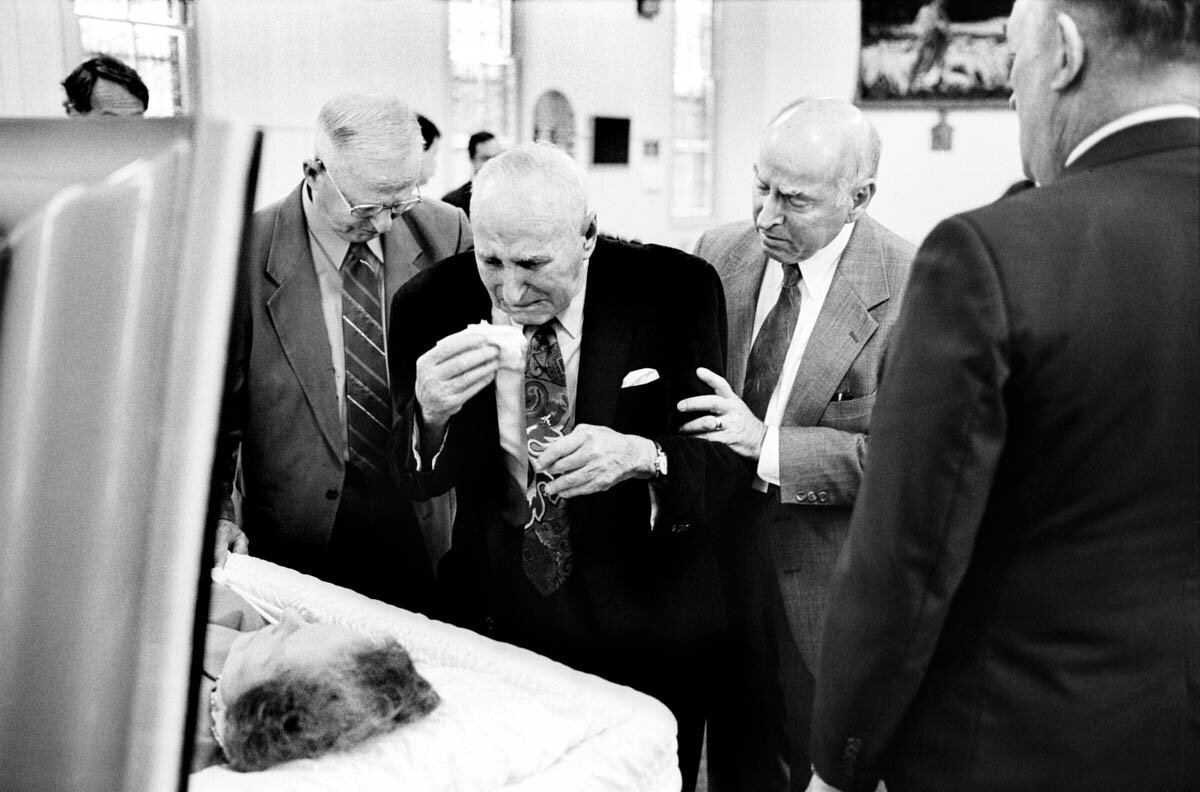
In 2000, I met Maxine and Arden Peters, who were living in a farmhouse in rural West Virginia. They were both ninety and had been married for seventy years. Maxine was a tough lady who was fighting the end stages of Parkinson’s disease. With the deterioration of her body, the quality of her life had become abysmal, so Arden’s dear friend Warren de Witt came to live with the couple in order to help care for her. I had been staying with the Peters’ for a few weeks in October of 2000 when one morning it became apparent that it was Maxine’s time to pass. Arden seemed to be struggling with how to handle his wife’s suffering, so I took him aside and assured him it was okay to tell Maxine that she could let go. I’m not sure what his exact words to her were, but she passed away an hour and a half after he shuffled into their room. My head was swimming and my heart was pounding the whole time. I couldn’t help but wonder: ‘What gave me the right to intervene like this? Who was I to tell Arden what to do at such a pivotal moment?’

When you make the commitment to develop and maintain a relationship with your subjects in order to get access, it is essential to create trust, cooperation and collaboration. However, in a case like Aging in America, you’re also taking on more than that. You need to be prepared to stand up when these kinds of moments happen and act as a human before acting as a photographer. Later on, Arden invited me to the funeral to speak to the church congregation. He appreciated my intervention in that crucial moment. Being welcomed into the church by this close-knit community was one of the most powerful moments of my life.

The message I wish to convey is that you take on a tremendous amount of responsibility when you do this kind of work, but therein lies the importance of being a visual storyteller. If you have the ability to assume this responsibility, your work will benefit on every level. It will be more powerful to the people who look at it because it will be deeper, which also holds true for your personal experience. Our lives move at a blinding speed now, so it is crucially important that we as visual storytellers take the time to slow things down: to notice the details and stay in it for the long haul. We must listen to our subjects and give them time to express their voices, which sometimes means being a companion to them. A lot of life happened before I was able to get to that most intimate moment with Maxine and Arden. Much of the time was spent going on drives, photographing her being cared for, sharing memories and stories late into the evening, and just hanging out in the house doing nothing. These moments were precious and they showed the Peters’ that I cared for them and understood their dignity. It was a privilege to spend time with Arden and Warren and to witness the care that they provided Maxine and how beautifully their community supported them. I became part of that community for a brief period of time, which allowed me to photograph them in ways a complete outsider never would have been able to do.

In today’s world our lives are increasingly being played out in real time on social media. But there is another parallel universe where life moves slowly: in actual real time. It is important, perhaps now more than ever, to inspire more people to pursue the kinds of long-term projects that reflect the intricacies of human life. It is crucial to understand that learning how to maintain relationships with your subjects is an essential component to making this kind of documentary and photojournalistic work. Accessing private moments in other people’s lives is magical. But more importantly, it is what leads to memorable, intimate images that go beneath the surface and reveal a unique part of the human experience.

- Ed

Edited by Gabriel Ellison-Scowcroft


Imperfectly Invisible / April 28, 2016

For those contemplating the life of a photojournalist, beware the personal challenges and questions that await you. I have spent a lifetime trying to become invisible. As a documentarian my goal is to disappear, to observe without disturbing the world I’m trying to capture. It is obviously impossible to actually achieve this, but that hasn’t stopped me from trying. Disappearing into the background is an effective strategy to bear witness to moments that would otherwise be inaccessible. Candid intimacy is the term I’ve used to describe my work, and my vanishing into nothingness is the imperative.

People congregate at the Gare St. Charles – the main train station in Marseille, France on Sept. 24, 2010. Photo ©Ed Kashi/VII

People congregate at the Gare St. Charles – the main train station in Marseille, France on Sept. 24, 2010. Photo ©Ed Kashi/VII

But what happens when you become so expert at this that you begin to disappear in your own life? After more than 30 years of perfecting this routine in my work I am now confronting the residual impact on my personal life. It’s as though I am nothing without my work. Over the last three decades my energy has been channeled into forging my identity as a documentarian, in the process becoming very good at slipping into the mentality that has led my career to where it is today. So much so that I now feel solely defined by the roles of photojournalist, filmmaker and mentor. A work machine.

Yes, I have two beautiful and incredible children that are my lifeblood. And a mate who gives love and commitment unconditionally. But most of the time I’m alone perfecting my disappearing act. The result is a deep sense of loneliness and abject uncertainty. I have been exposed to pain, suffering, violence and death, the cumulative effects of which have posited me into voids of nothingness more often than I ever could have imagined, and more often than my wife deserves to have to live with. I am also disturbed by how every reentry into my personal life with friends, family and colleagues, invariably begins with questions that I have come to dread: ‘how long are you home for this time?’ or ‘where did you just return from?’, or ‘where are you going next?’ While they are innocent enough questions, they reinforce my sense of alienation. Even those closest to me always expect me to be gone, absent, disappeared.

Brian Crothers, a teenager from Belfast’s working class Protestant neighborhood of Tiger’s Bay, keeps his night-time protection safely within reach in Belfast, Northern Ireland on July 11, 1989. He lives within two hundred yards of a Catholic estate…

Brian Crothers, a teenager from Belfast’s working class Protestant neighborhood of Tiger’s Bay, keeps his night-time protection safely within reach in Belfast, Northern Ireland on July 11, 1989. He lives within two hundred yards of a Catholic estate that staunchly backs the IRA. Photo ©Ed Kashi/VII

Losing myself in other people’s lives, whether in their dramas of joy, pain, or transition, has turned into not being able to find myself in my own life. I now have to relearn how to be with others and relax in joyful and calm moments. I now have social anxiety and it can be difficult, sometimes overwhelming, to engage with others outside of prescribed and controlled situations. I know veterans of war, survivors of trauma and sensitive souls that life has trampled on who experience similar and often far worse symptoms.

The Wounded Warrior Project is run by American veterans of war to help returning veterans from the wars in Afghanistan and Iraq adjust to life at home. Through confidence building group activities, these vets are sharing experiences, problems and is…

The Wounded Warrior Project is run by American veterans of war to help returning veterans from the wars in Afghanistan and Iraq adjust to life at home. Through confidence building group activities, these vets are sharing experiences, problems and issues that continue to haunt them and keep them from living healthy lives and reintegrating into society. Vets share a group hug and moment of unity. Photo ©Ed Kashi/VII

The cliche of wanting to be a “fly on the wall” is necessary for journalistic documentary work. When I was first starting out I didn’t understand how to do it or what it required. I worked on gut instinct and through trial and error. The stress and frustration was nearly constant, but I did my best. There were countless situations in the Middle East or Africa where I wanted to capture some element of daily life, only to find myself loitering in the lives of people in a small village. It was  awkward and frustrating to feel I was constantly standing out and being so far from the fly on the wall I was hoping to be. I can remember trying to capture a family meal only to encounter the generous expectation that I would consume their carefully prepared food with them. I tried to explain that they should eat without me, but soon realized that I had transitioned from being awkward to being just plain rude.

It took me many such encounters to learn that it’s much better, from the human graciousness of a guest to the naked ambitions of a photojournalist, to go with the flow. My pictures started to come much easier and connections with others developed with more harmony and soul, and with the intimacy I had strived for in my work.

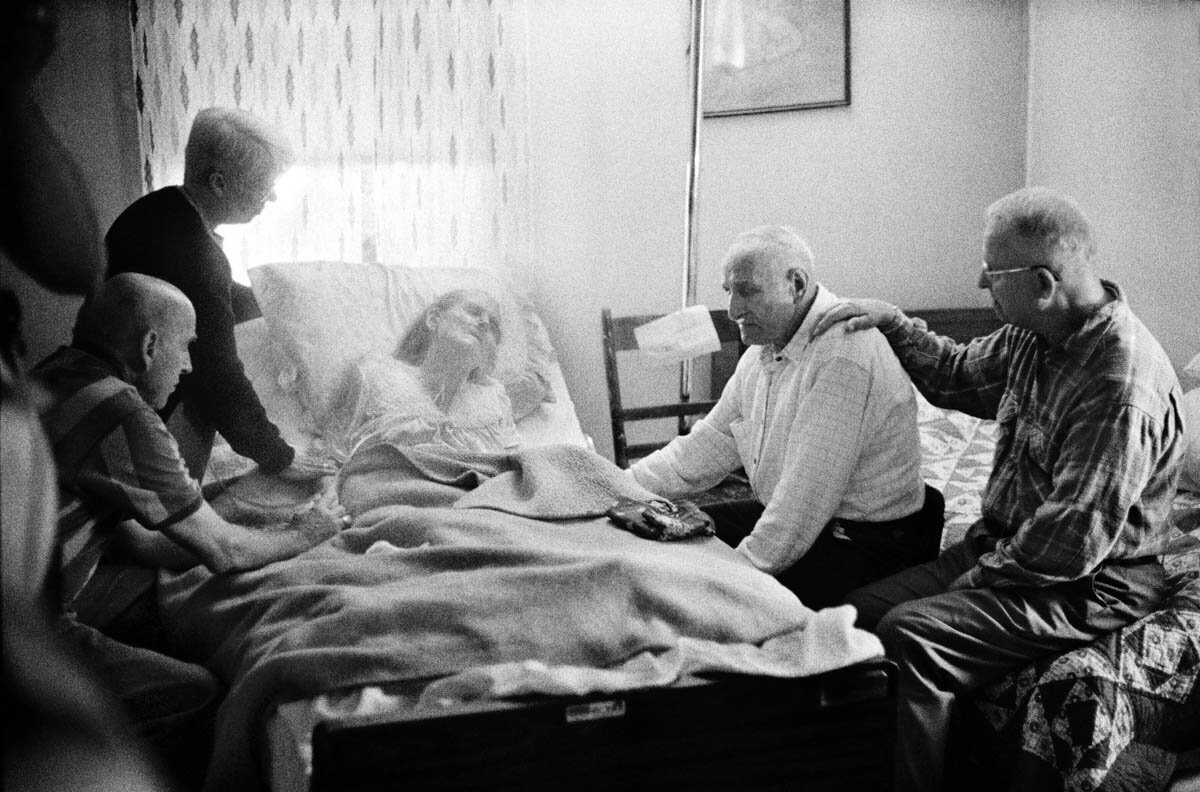
Maxine Peters finally passes away at home, surrounded by her family, friends and hospice aides. In rural West Virginia, people still live – and die, the old fashioned way. The Hospice Care Corporation sends health workers into rural homes to make su…

Maxine Peters finally passes away at home, surrounded by her family, friends and hospice aides. In rural West Virginia, people still live – and die, the old fashioned way. The Hospice Care Corporation sends health workers into rural homes to make sure that people can meet a dignified end, surrounded by their families. Photo ©Ed Kashi/VII

But through all this shape-shifting, however genuine and heartfelt, I lost myself along the way. I have become accustomed to experiencing the graces of those who have excruciatingly less than I do. When I’m in my own milieu I feel uncomfortable and anxious. It’s not that I feel guilty: I just don’t feel comfortable in my skin. Certain questions have become too unsettling to ignore. Has my camera become my protective skin? Am I no longer myself when I don’t have a recording device? How can this be? My life is rich, entitled, some could say even spoiled. Is this another ‘first world problem’ and I should just shut up? I often joke, although sometimes I don’t actually find it funny, that Descartes’ famous saying for me would translate into “I record, therefore I am.”

As a photojournalist, you can have the privilege of expansive knowledge of the world, cultures, the processes of technology and business, and the small yet magical moments of daily life. You can experience exquisite beauty, both of the natural world and within human nature. You will also witness pain and suffering, hatred and violence. It is an intoxicating mix and I urge you to jump in. But as you shape yourself to better practice your art and your work, be mindful of what can be lost when you let that consume you. Or you might lose yourself.

– Ed

Nguyen Thi Ly, 9, who suffers from disabilities because of Agent Orange contamination, in her home in Ngu Hanh Son district of Da Nang, Vietnam on July 9, 2010. Photo ©Ed Kashi/VII

Nguyen Thi Ly, 9, who suffers from disabilities because of Agent Orange contamination, in her home in Ngu Hanh Son district of Da Nang, Vietnam on July 9, 2010. Photo ©Ed Kashi/VII